


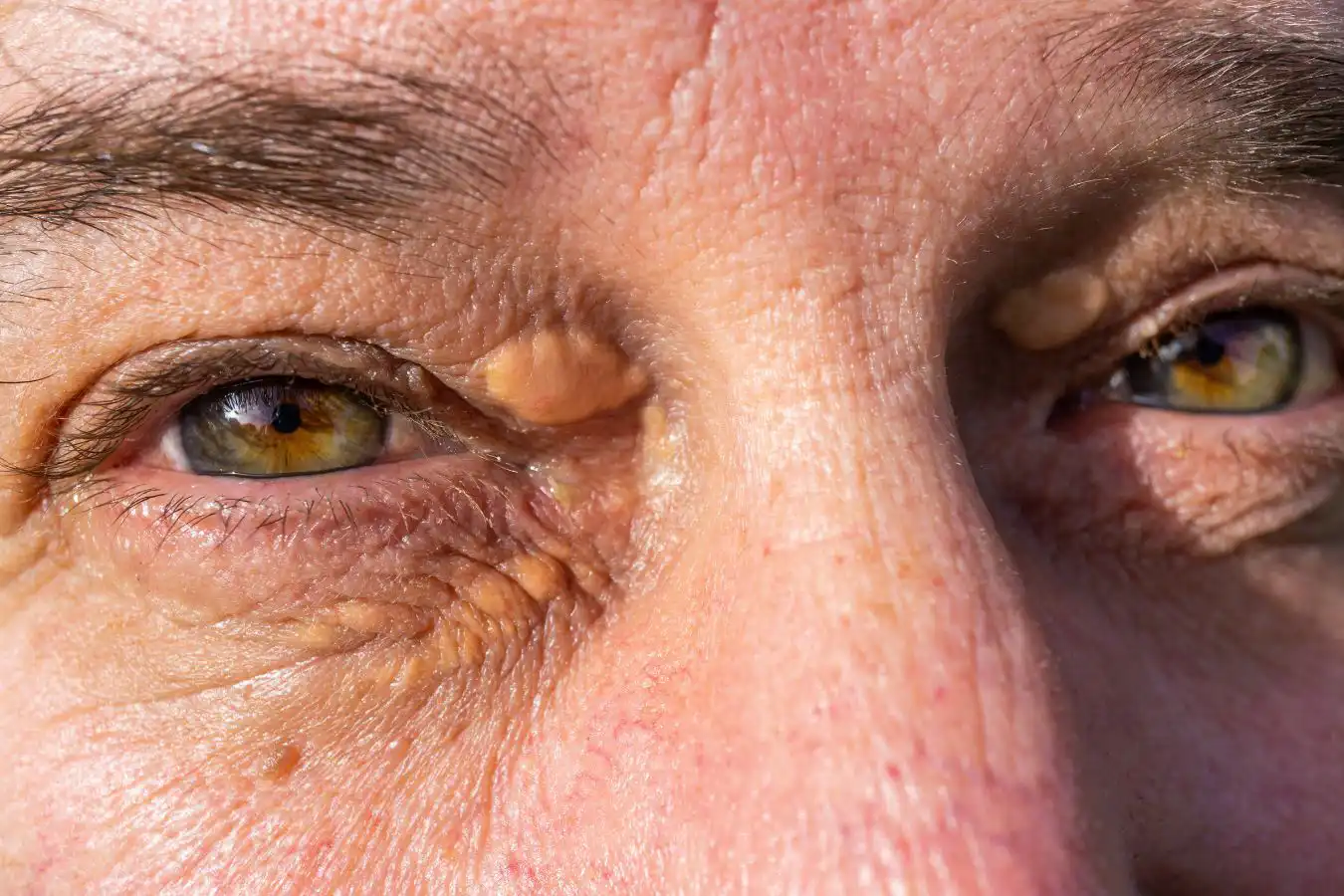
Xanthelasma Removal
Discover what causes Xanthelasma and how to tackle it effectively with specialist Xanthelasma removal in Wrexham and Nantwich.
Our expert team provides personalised treatments, ranging from advanced procedures to specialised surgery, ensuring you effortlessly attain a rejuvenated, radiant look.
Remove Xanthelasma and restore your confidence with Freyja Medical.
What Causes Facial Xanthelasma?
Xanthelasma develops when cholesterol builds up in the skin, most commonly around the eyelids.
It can affect people with high cholesterol or other lipid disorders, and it can also appear in those with normal cholesterol levels. Genetics, certain medical conditions, and lifestyle factors can all contribute to its development.
Although xanthelasma does not cause harm, it can signal an underlying issue with cholesterol levels or cardiovascular health. For this reason, it’s important to seek medical advice alongside treatment.
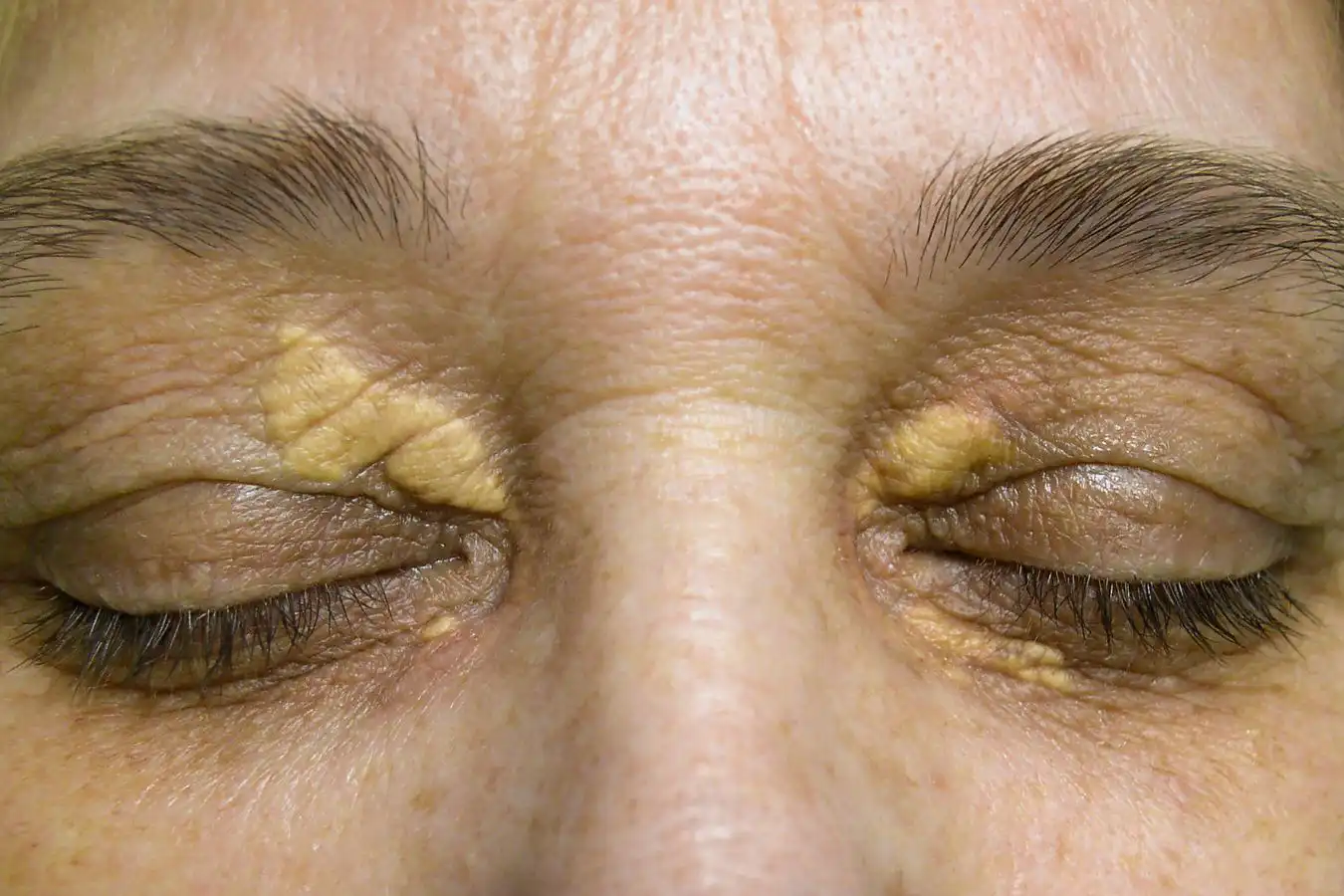
Xanthelasma Removal Options
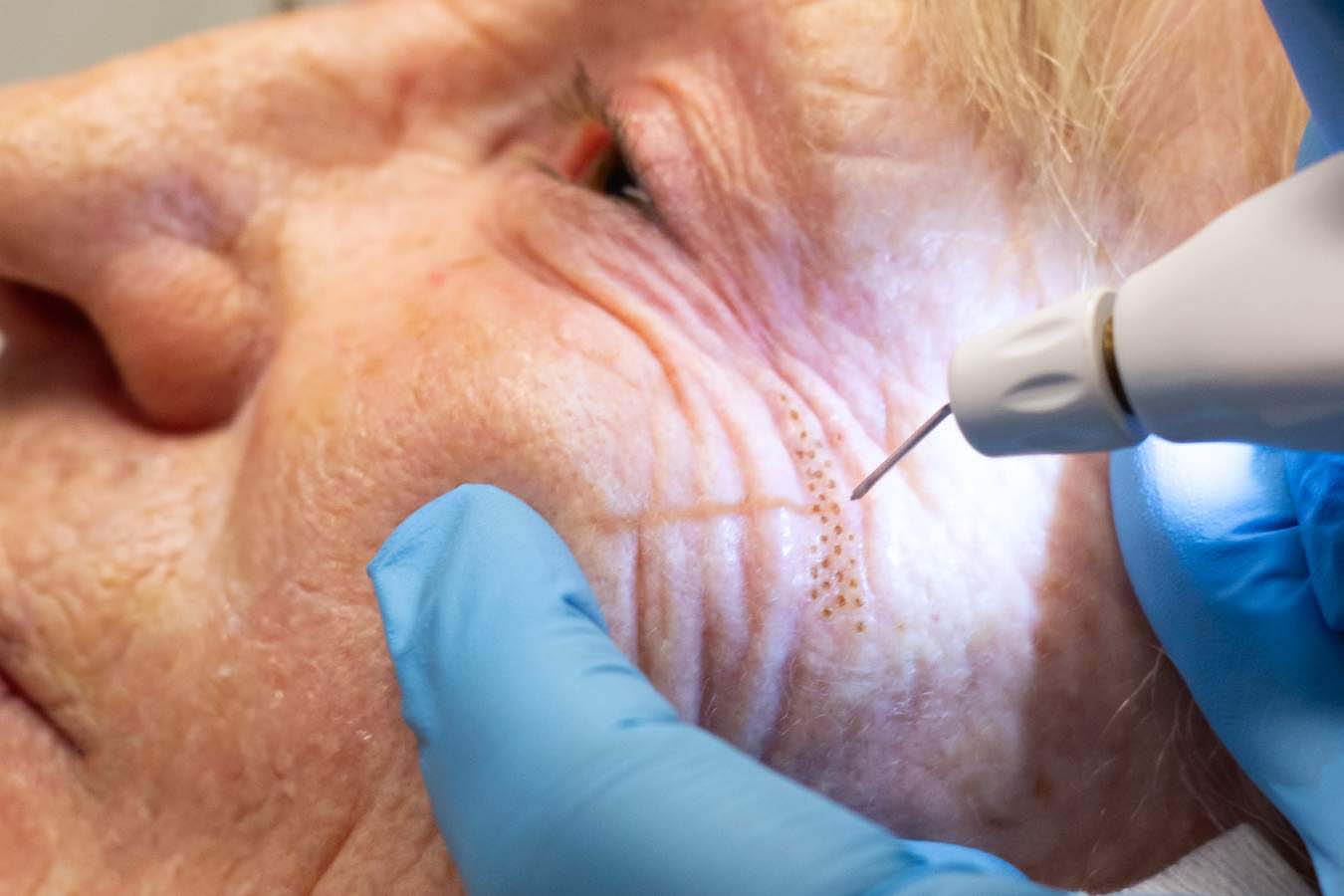
Hyfrecator / Plexr Plus
Hyfrecator and Plexr are minimally invasive techniques that use heat energy to gently break down and remove xanthelasma deposits without the need for surgical excision.
These methods are quick, effective, and require minimal downtime, making them a popular option for suitable cases.

Skin Surgery
Surgical excision is a precise and effective method for removing xanthelasma, particularly when the deposits are larger or deeper within the skin.
The procedure involves carefully cutting out the cholesterol deposits under local anaesthetic, followed by fine suturing to support healing and minimise scarring.
You will require a consultation with our consultant surgeon before booking treatment, where the most suitable approach for you will be advised to ensure the safest and most effective outcome.
Xanthelasma Removal in Wrexham
If you’re considering xanthelasma removal in Wrexham, our dermatology-led clinic offers safe, medically led treatment options to remove cholesterol deposits around the eyelids. Depending on the size, location, and depth of the xanthelasma, treatment may involve hyfrecator, Plexr, or surgical removal.
Consultations at our Wrexham clinic are carried out by our consultant surgeon, who carefully assesses the affected area and discusses the most appropriate removal method. This ensures treatment is tailored to your individual needs, with safety, precision, and optimal healing in mind.
Our clinic is conveniently located near Eagles Meadow and Wrexham University, with easy parking options and excellent public transport links. Many people from across North Wales choose us for professional xanthelasma removal delivered by a medically led team they can trust.
If you’d like directions, opening hours, or more location details, visit our dedicated Contact Us page.
Xanthelasma Removal in Nantwich
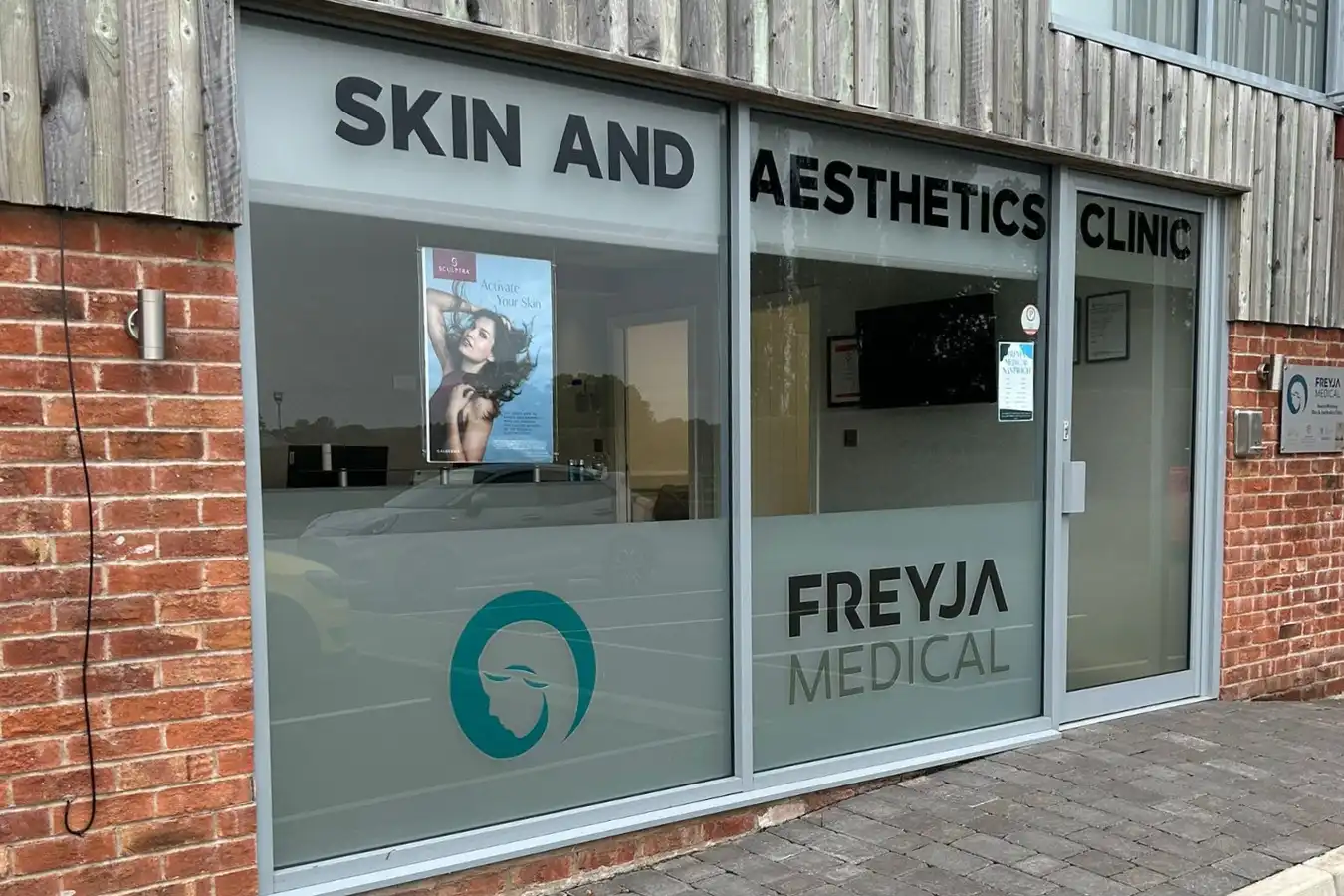
If you’re exploring xanthelasma removal in Nantwich, Freyja Medical provides a specialist, consultant-led approach to treating cholesterol deposits around the eyelids. Treatment options are selected based on the characteristics of the lesion and may include hyfrecator, Plexr, or surgical excision where appropriate.
Appointments at our Nantwich site are led by our consultant surgeon, who undertakes a detailed assessment of the area and talks you through the most suitable removal option. Each treatment plan is designed with careful consideration for precision, safety, and achieving the best possible healing outcome.
Our Nantwich clinic is based at Villa Farm in Burland, offering a calm, private setting with convenient on-site parking. Clients visit us from Cheshire, Shropshire, and the surrounding villages for expert, medically supervised treatments delivered with a personalised approach.
To learn more about accessing xanthelasma removal at this location, including opening hours and travel information, visit our dedicated Contact Us page.
Meet the Expert Who Can Remove Xanthelasma
At Freyja Medical, xanthelasma removal is carried out exclusively by our consultant surgeon, who has specialist expertise in treating the delicate eye area. Whether the deposits have developed gradually or become more prominent over time, a thorough assessment is performed to determine the most appropriate removal approach, ensuring safe and effective results.

Will Allen – Consultant Surgeon
Specialist treatment options focused on the safe removal of xanthelasma, using hyfrecator, Plexr, or surgical techniques to restore a smoother, more natural eyelid appearance.
| Mr Will Allen's Availability | ||
|---|---|---|
| Wednesday | Wrexham/Nantwich (please view our online diary for more info, click here) | 9.30am - 12.30pm |
What causes xanthelasma?
Xanthelasma develops when fatty deposits, mainly cholesterol, build up beneath the surface of the skin, most often around the eyelids. In many cases, high cholesterol levels or other lipid disorders contribute to its development, but it can also affect people with normal cholesterol levels. Genetics, liver disease, diabetes, thyroid problems, and certain medications that alter fat metabolism can all increase the risk. Lifestyle choices such as diet, smoking, and lack of exercise can raise cholesterol levels and further increase the likelihood of developing xanthelasma. Although the deposits themselves do not cause harm, they can point to an underlying issue with cholesterol or cardiovascular health, which makes a general health assessment an important part of the treatment journey.
Can xanthelasma be treated?
Yes, clinicians can treat xanthelasma safely and effectively. Cholesterol deposits do not disappear on their own, but several medical techniques can remove them and improve the appearance of the eyelids.
Treatment options include surgical excision, where a surgeon carefully removes the affected tissue under local anaesthetic, and minimally invasive methods such as Hyfrecator or Plexr, which use controlled heat energy to break down the deposits without cutting. The surgeon selects the most appropriate treatment based on the size, depth, and number of lesions, as well as your individual needs and preferences.
It is important to note that treatment removes the visible deposits and addresses the cosmetic and physical concern, but it does not correct the underlying cause. High cholesterol or lipid imbalance may still require separate medical management.
You will need a consultation with our consultant surgeon before booking treatment. During this appointment, the surgeon will assess the area and recommend the most suitable approach to ensure the safest and most effective outcome.
Are the treatments painful?
Xanthelasma removal treatments are generally well tolerated, and most people do not find them painful. During surgical excision, the practitioner uses a local anaesthetic to fully numb the area, so you should not feel pain during the procedure, only mild pressure or movement. When using Hyfrecator or Plexr, patients may feel a brief stinging or warming sensation as the practitioner applies the energy, but this sensation usually remains mild and short-lived.
After treatment, some people notice minor discomfort, redness, or swelling in the treated area, and these effects typically settle within a few days. Most people do not need pain relief, but you can take over-the-counter medication if required. Your practitioner will provide full aftercare advice to keep you comfortable and support the best possible healing and cosmetic outcome.
Are the treatments safe?
Yes, experienced medical professionals consider xanthelasma removal to be very safe. At Freyja Medical, consultant surgeons with dermatology expertise carry out all procedures. This approach ensures a high level of precision and care.
Surgical excision and Hyfrecator or Plexr treatments represent well-established methods with excellent safety records. As with any medical procedure, some risks exist. These may include minor scarring, changes in skin pigmentation, or temporary swelling, but they occur infrequently. Your consultant surgeon will discuss all potential risks with you during your consultation.
We only recommend treatment when it is safe and appropriate for you. You will need a consultation with our consultant surgeon before booking treatment. During this appointment, the surgeon will assess your suitability and advise on the most appropriate approach to achieve the safest and most effective outcome.
Are there any side effects from the treatments?
Like all medical procedures, xanthelasma removal can cause some temporary side effects, although these effects are usually mild and settle quickly. After surgical excision, you may notice redness, swelling, bruising, or tenderness around the treated area for a few days, and a small risk of scarring or changes in skin texture exists. With Hyfrecator or Plexr treatments, patients commonly notice slight redness, swelling, or small scabs where the practitioner treated the cholesterol deposits, and these areas typically heal within one to two weeks. In rare cases, the treatment can cause changes in pigmentation, such as lightening or darkening of the skin in the treated area.
During your consultation, your consultant surgeon will explain all potential risks and side effects in detail and provide tailored aftercare instructions to support smooth healing and achieve the best possible cosmetic outcome.
How much do the treatments cost?
The cost of xanthelasma treatments can vary depending on the type of treatment used and the severity of the condition. Click here to view our price list.
What types of xanthelasma removal in Wrexham are available?
At our Wrexham clinic, we offer specialist treatment options for xanthelasma removal. We tailor each approach to the size, depth, and location of the cholesterol deposits around the eyelids. Treatment is carefully selected to ensure safe removal while prioritising precision, healing, and cosmetic outcome.
All xanthelasma removal procedures at our Wrexham clinic are carried out exclusively by consultant surgeon Will Allen, who has specialist expertise in treating the delicate eye area.
Hyfrecator or Plexr for Superficial Xanthelasma
For smaller or more superficial xanthelasma lesions, hyfrecator or Plexr treatments may be suitable. These methods allow for controlled removal of the deposits with minimal disruption to surrounding tissue.
Surgical Removal for Deeper Lesions
Where xanthelasma is more extensive or deeper within the skin, surgical removal may be recommended. This approach allows for complete excision under expert surgical care, with careful planning to support optimal healing and cosmetic results.
What types of xanthelasma removal in Nantwich are available?
At our Nantwich clinic, clinicians lead xanthelasma treatment with careful assessment rather than a one-size-fits-all approach. Cholesterol deposits around the eyelids can vary significantly. For this reason, the clinician selects the removal method based on how established the lesion is, its position, and how it sits within the skin.
All xanthelasma removal treatments in Nantwich are performed by consultant surgeon Will Allen. He specialises in procedures involving the delicate eye area and surrounding tissue.
Non-Surgical Removal Options
In cases where xanthelasma is smaller or more superficial, non-surgical techniques such as hyfrecator or Plexr may be appropriate. These treatments allow for precise removal while minimising trauma to the surrounding skin.
Surgical Xanthelasma Removal
For larger, thicker, or deeper xanthelasma deposits, surgical excision may be the most effective option. This approach enables complete removal under expert surgical care, with careful attention to healing and cosmetic outcome.
Restore Confidence with Freyja Medical
Schedule your consultation today!
No Results Found
The page you requested could not be found. Try refining your search, or use the navigation above to locate the post.