
Jump To Section
If you’ve been researching treatments for unwanted hair, redness, pigmentation or uneven skin tone, you’ve likely come across both IPL and laser. They’re often mentioned together, sometimes even used interchangeably, which can make it difficult to understand the real difference.
In this guide, we’ll break down how IPL and laser actually work, where they overlap, and how they differ. We’ll focus specifically on the treatments we offer in clinic:
- IPL and laser hair removal
- IPL and laser skin rejuvenation (for redness, rosacea, pigmentation, acne and uneven skin tone)
Our aim is not to position one as “better”, but to help you understand which approach may be more suitable depending on your skin concern, skin type and treatment goals.
What Is IPL?
IPL stands for Intense Pulsed Light. Despite being grouped with lasers, IPL is not technically a laser.
Instead of emitting a single wavelength of light, IPL releases a broad spectrum of light wavelengths. Filters are then used to target specific concerns within the skin.

How IPL Works
IPL works through a process called selective photothermolysis. In simple terms, light energy is absorbed by a specific target (known as a chromophore) in the skin:
- Melanin (for hair removal and pigmentation)
- Haemoglobin (for redness and visible blood vessels)
The light converts to heat, which damages the targeted structure while leaving surrounding tissue largely unaffected.
What IPL Is Commonly Used For
In our clinic, IPL is used for:
- Hair removal
- Redness and rosacea
- Sun damage
- Pigmentation
- Acne
- Uneven skin tone
- General skin rejuvenation
Because IPL uses multiple wavelengths, it can treat several concerns within one session, which can be helpful for patients with mixed skin issues (for example, redness and pigmentation together).
What Is Laser?
Laser treatments use a single, focused wavelength of light. Unlike IPL’s broad-spectrum light, a laser beam is highly specific and targeted.
Different types of lasers are designed to treat different concerns. The wavelength determines what the laser will target in the skin.

How Laser Works
Laser devices also rely on selective photothermolysis, but because they emit one precise wavelength, they can:
- Penetrate to a specific depth
- Target a specific chromophore very accurately
- Deliver more concentrated energy to a defined area
This precision can be particularly useful for certain vascular or pigment-based concerns.
What Laser Is Commonly Used For
In our clinic, laser treatments are used for:
- Hair removal
- Redness and rosacea
- Pigmentation
- Uneven skin tone
- Targeted skin rejuvenation
Laser can be especially effective when we want highly focused treatment of a specific issue rather than a broader, blended approach.
IPL vs Laser: Key Technical Differences
Although IPL and laser can treat similar concerns, the way they deliver energy differs.
Light Source
- IPL: Broad spectrum light (multiple wavelengths)
- Laser: Single, specific wavelength
Precision
- IPL: More generalised targeting
- Laser: Highly focused targeting
Depth of Penetration
- IPL: Varies depending on filters used
- Laser: Set penetration depth based on wavelength
Treatment Flexibility
- IPL: Can treat multiple concerns in one session
- Laser: Often more specific to a single concern at a time

Neither is inherently superior – they are simply different tools.
IPL vs Laser for Hair Removal
Both IPL and laser hair removal target melanin within the hair follicle. The heat damages the follicle, reducing its ability to regrow hair.
IPL Hair Removal
Pros
- Can cover larger areas relatively quickly
- Often suitable for mild to moderate hair growth
Considerations
- Less precise than laser
- May require more sessions in some cases
- Effectiveness can vary depending on hair colour and skin type
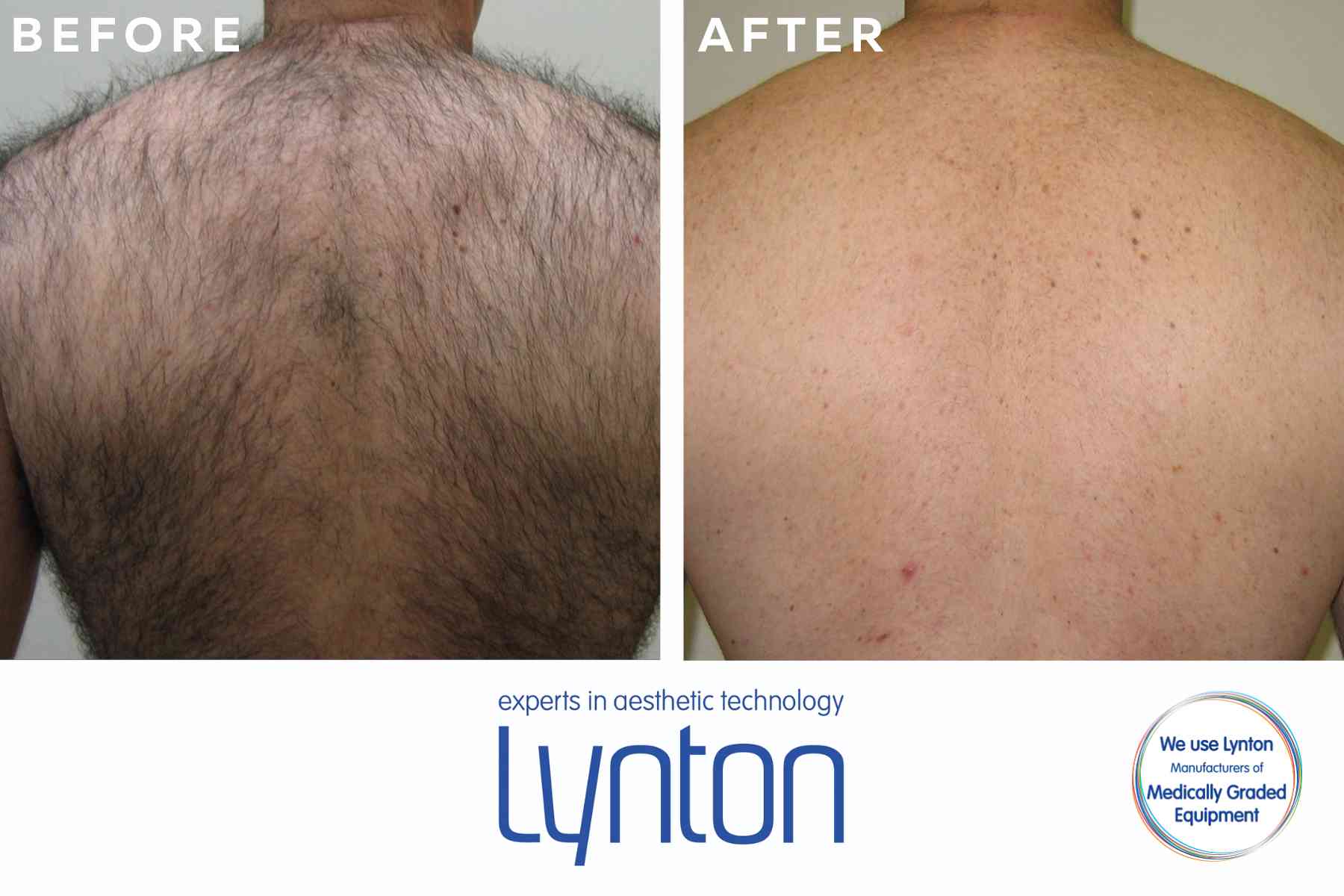
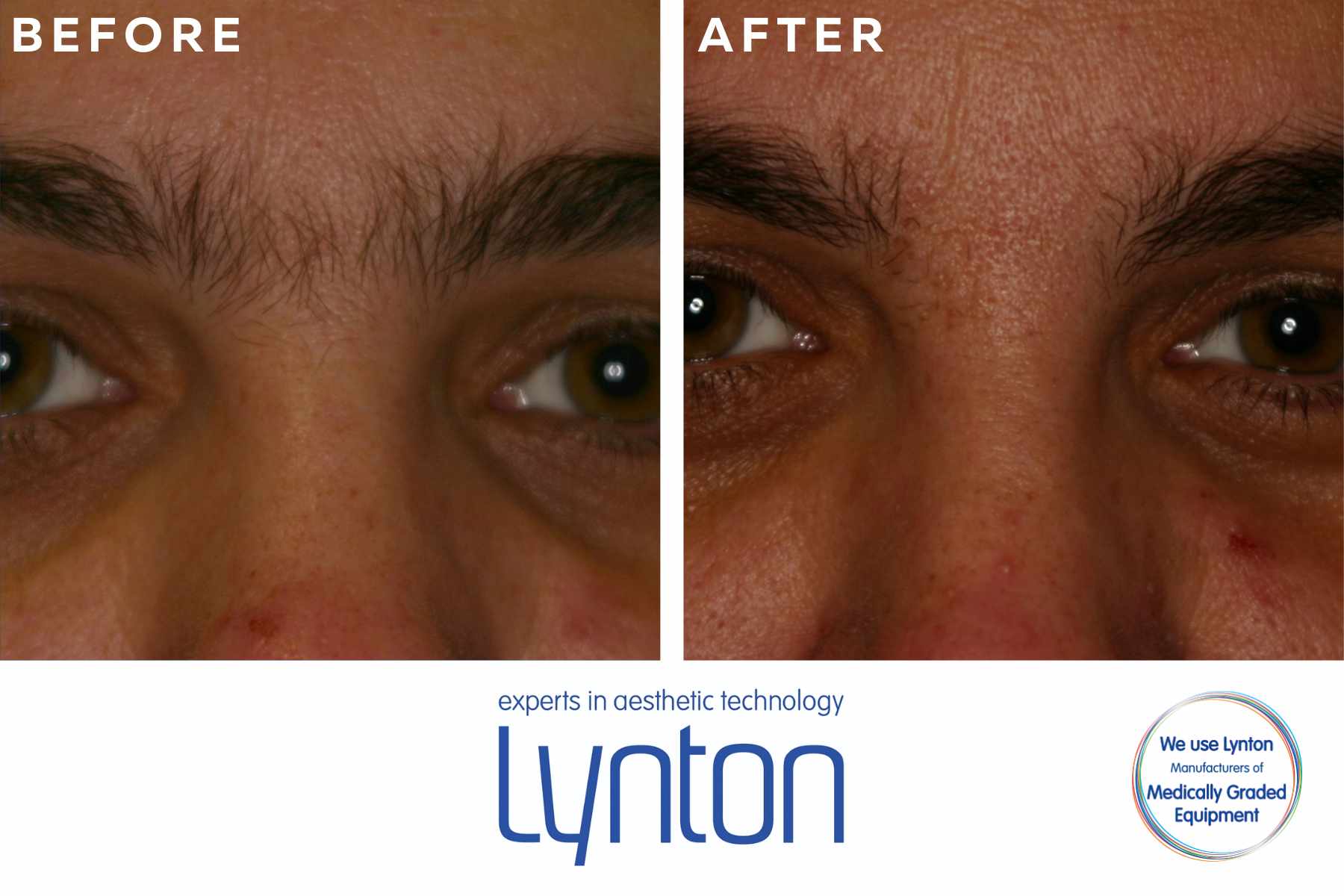
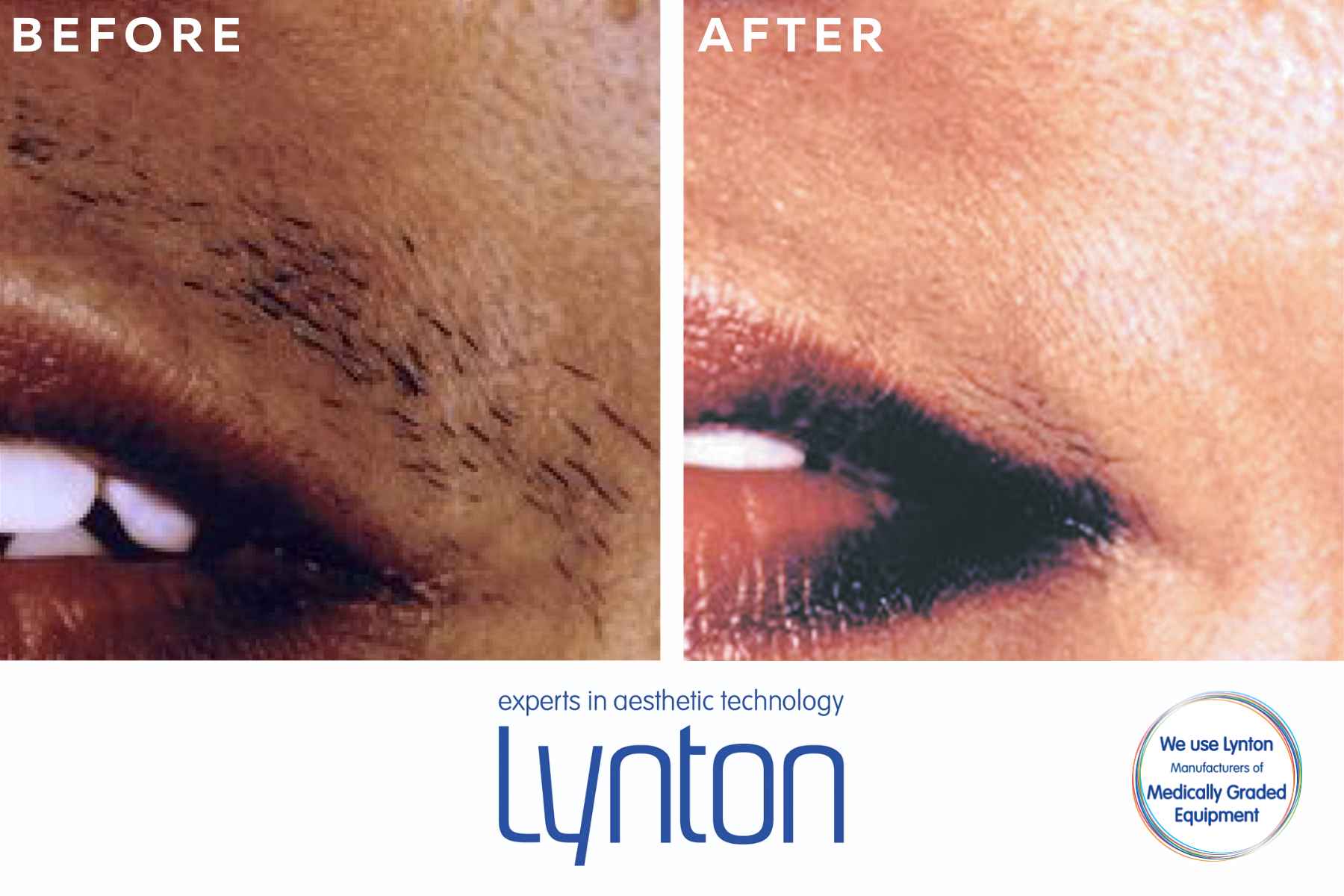
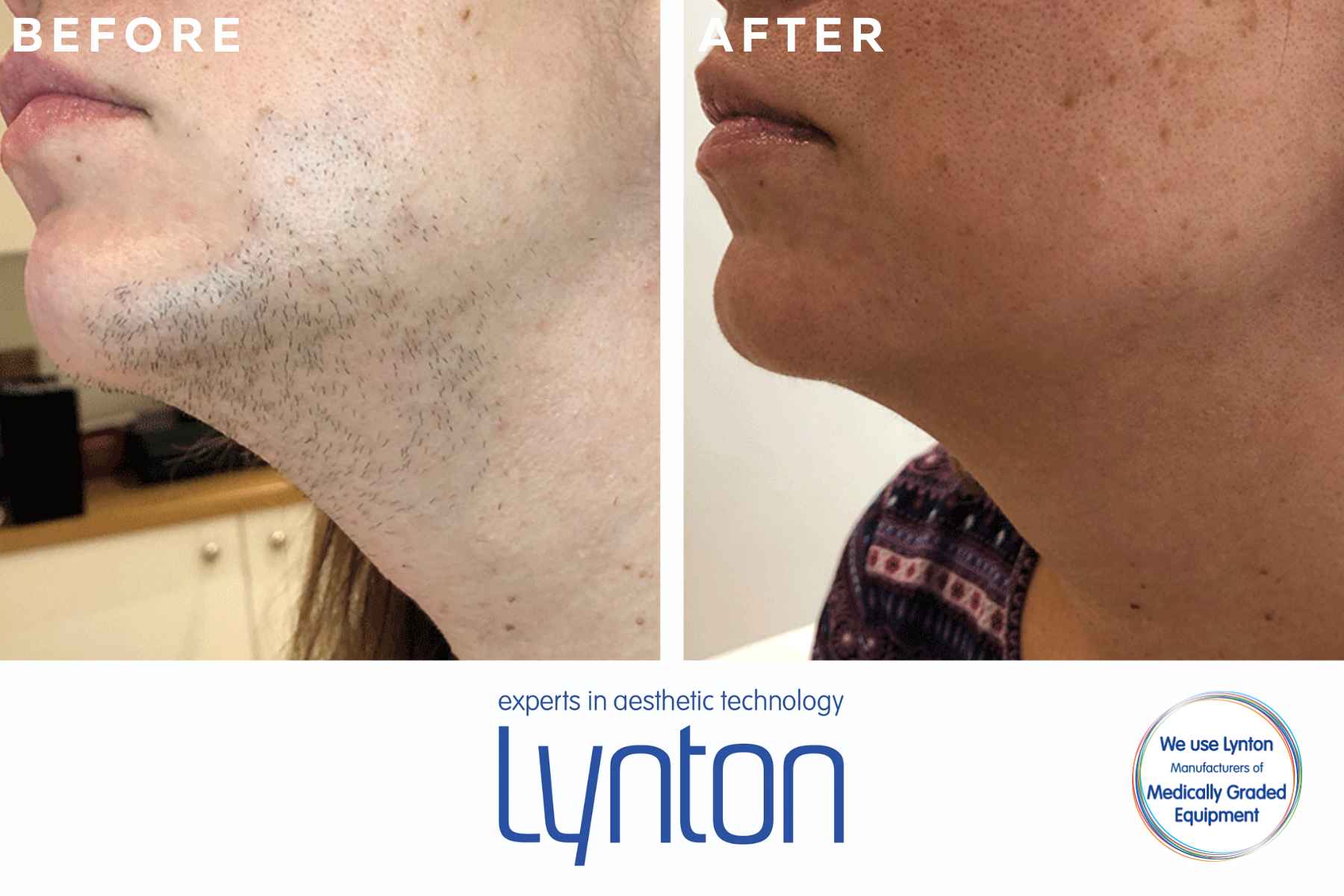
Laser Hair Removal
Pros
- Highly targeted
- Often effective for coarser, darker hair
- May require fewer sessions for certain hair types
Considerations
- More focused treatment field
- May feel more intense for some patients
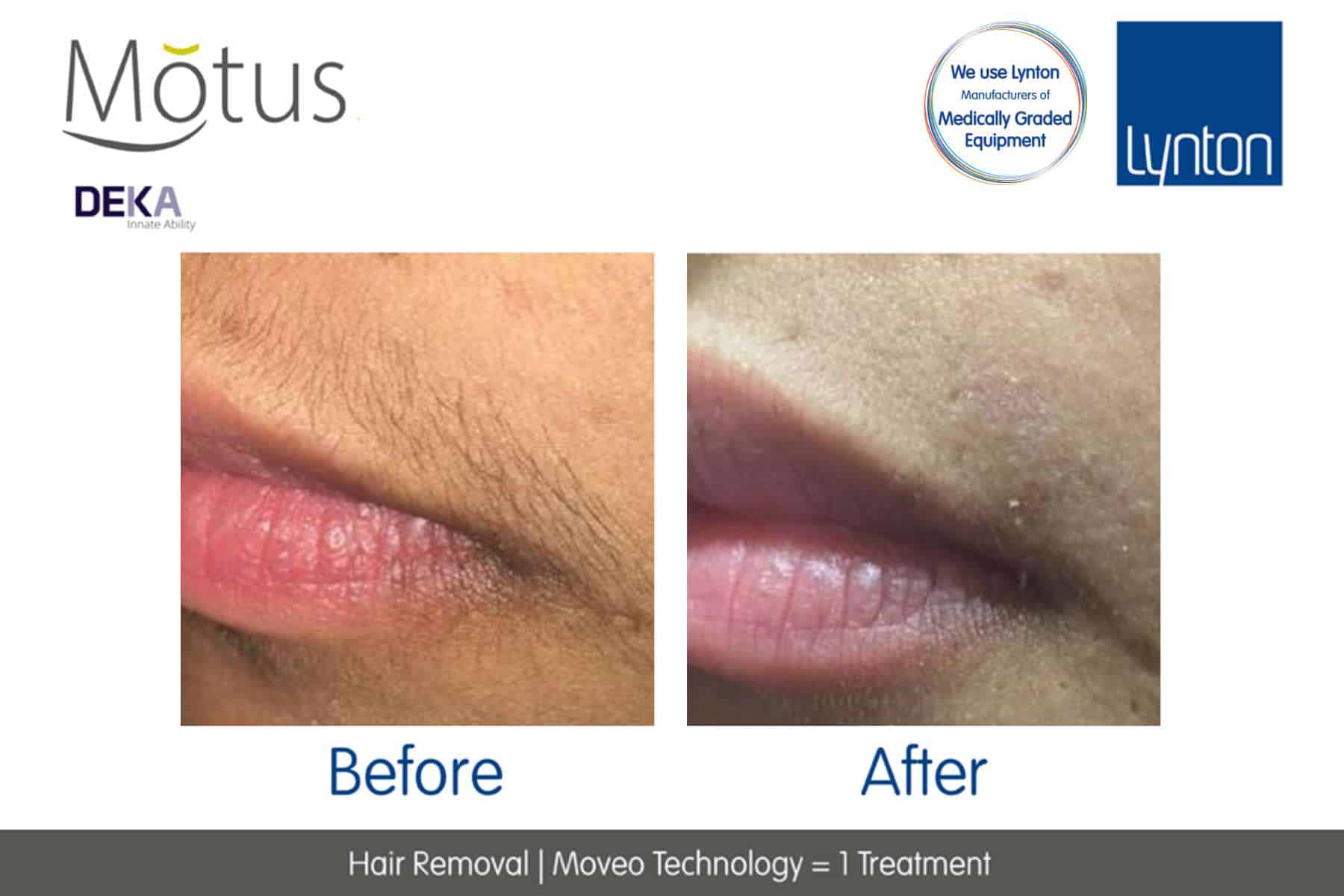
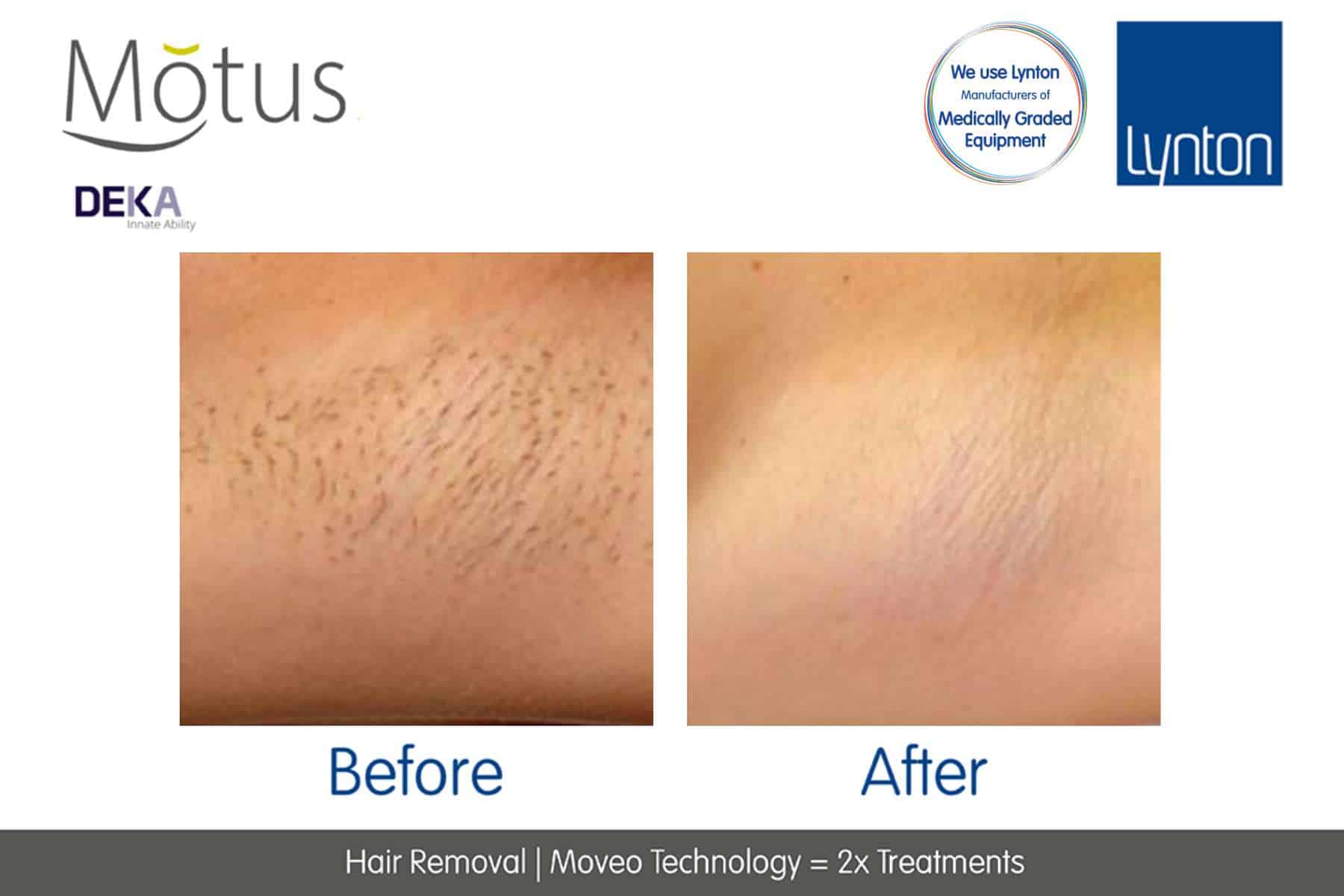
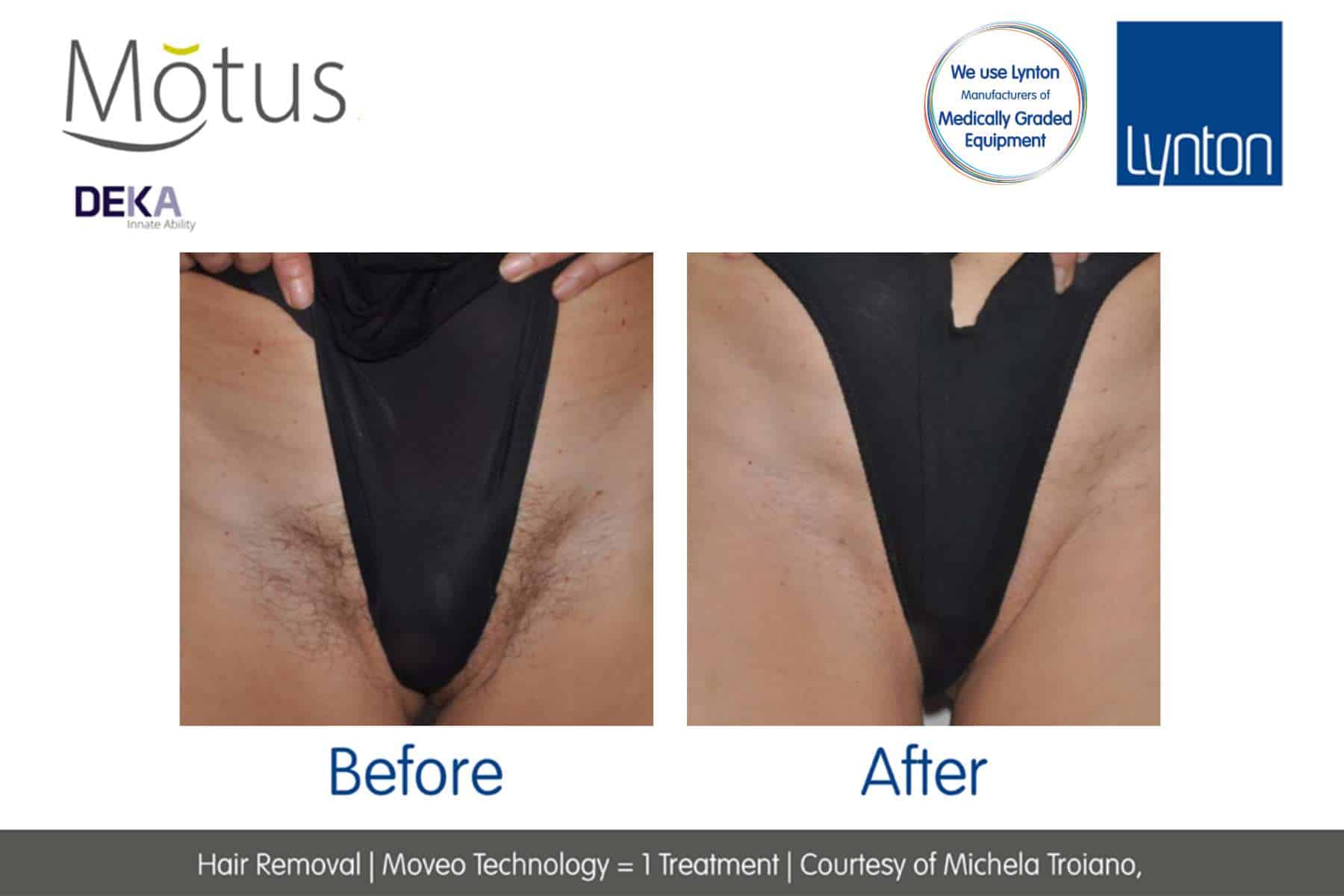
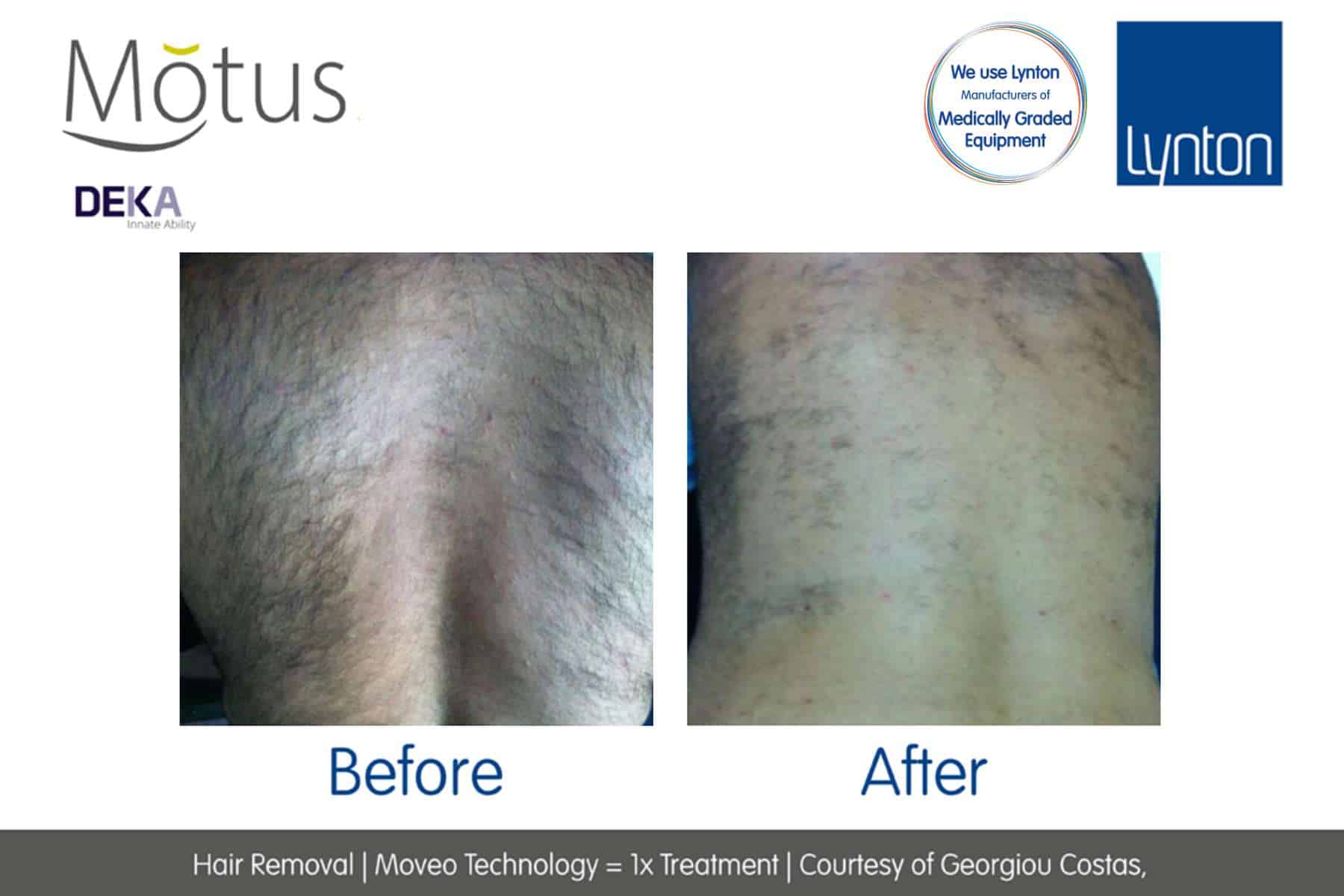
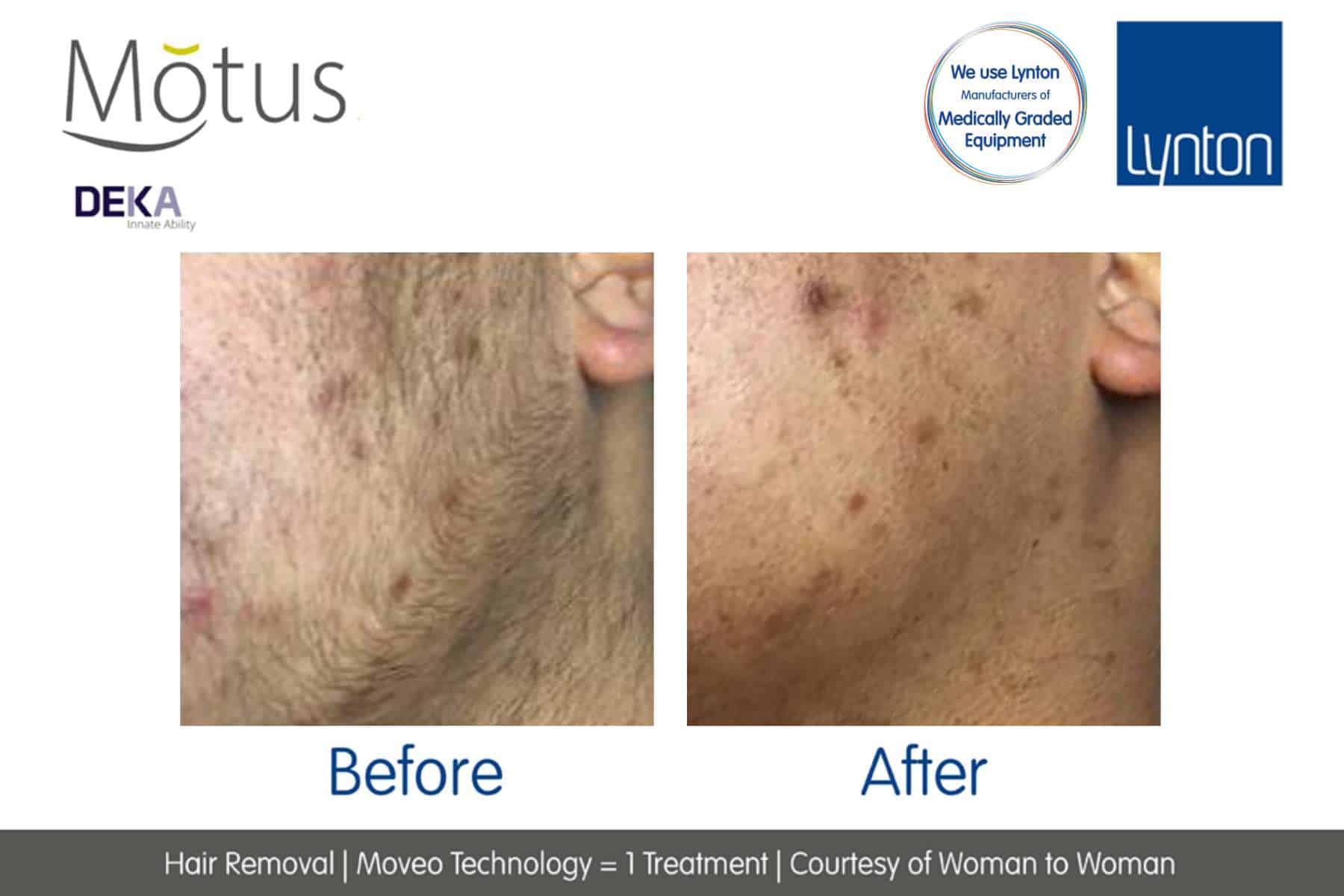
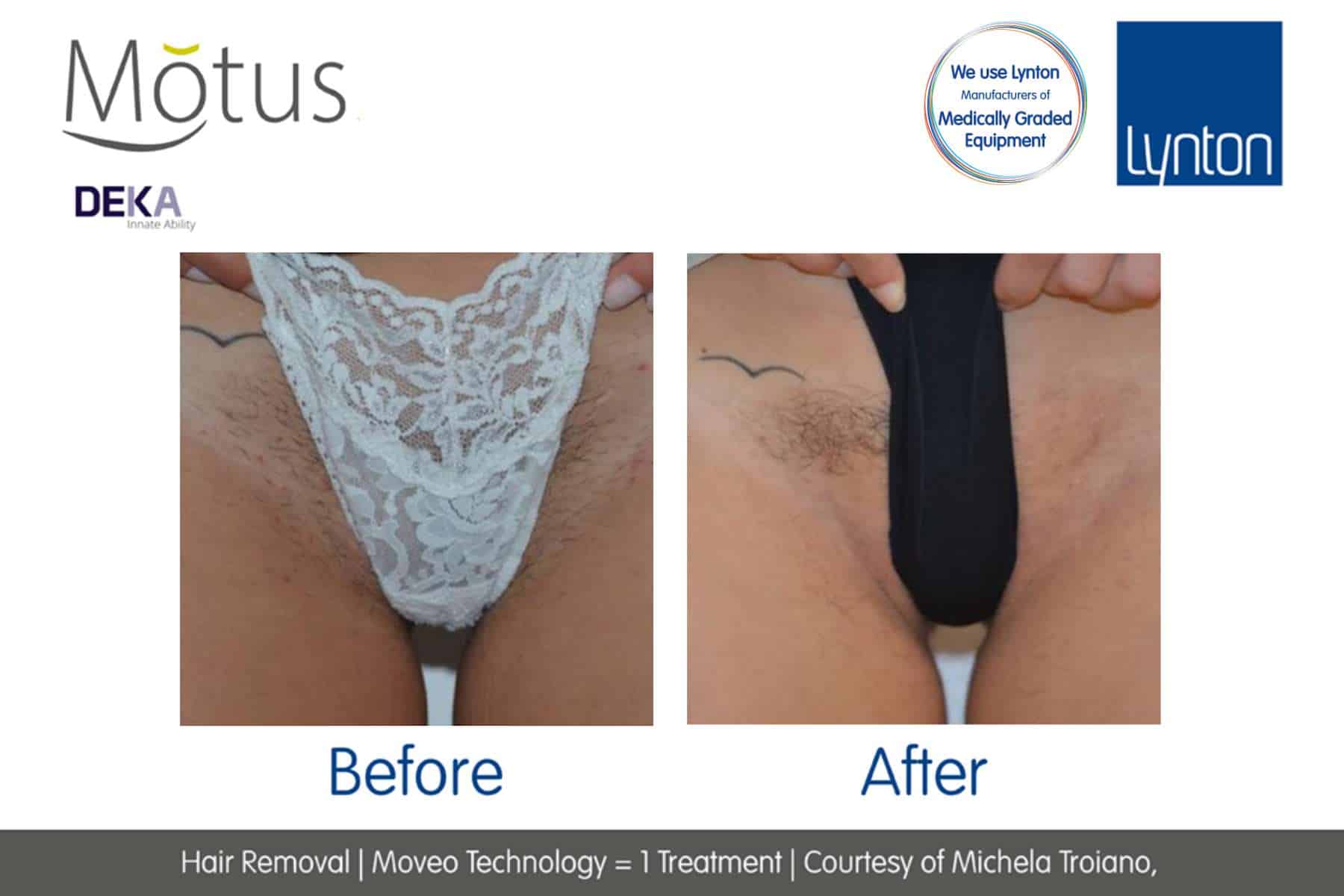
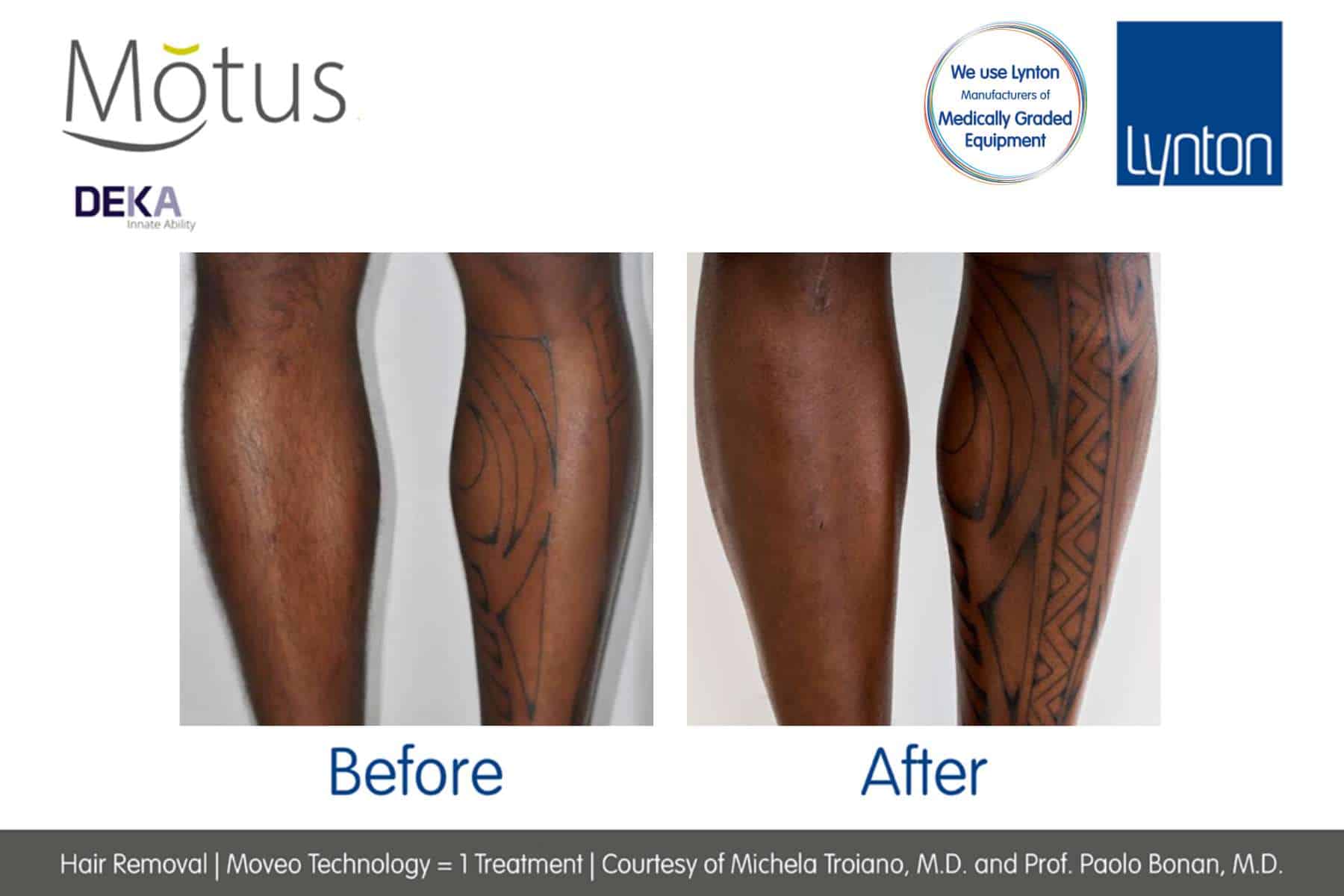
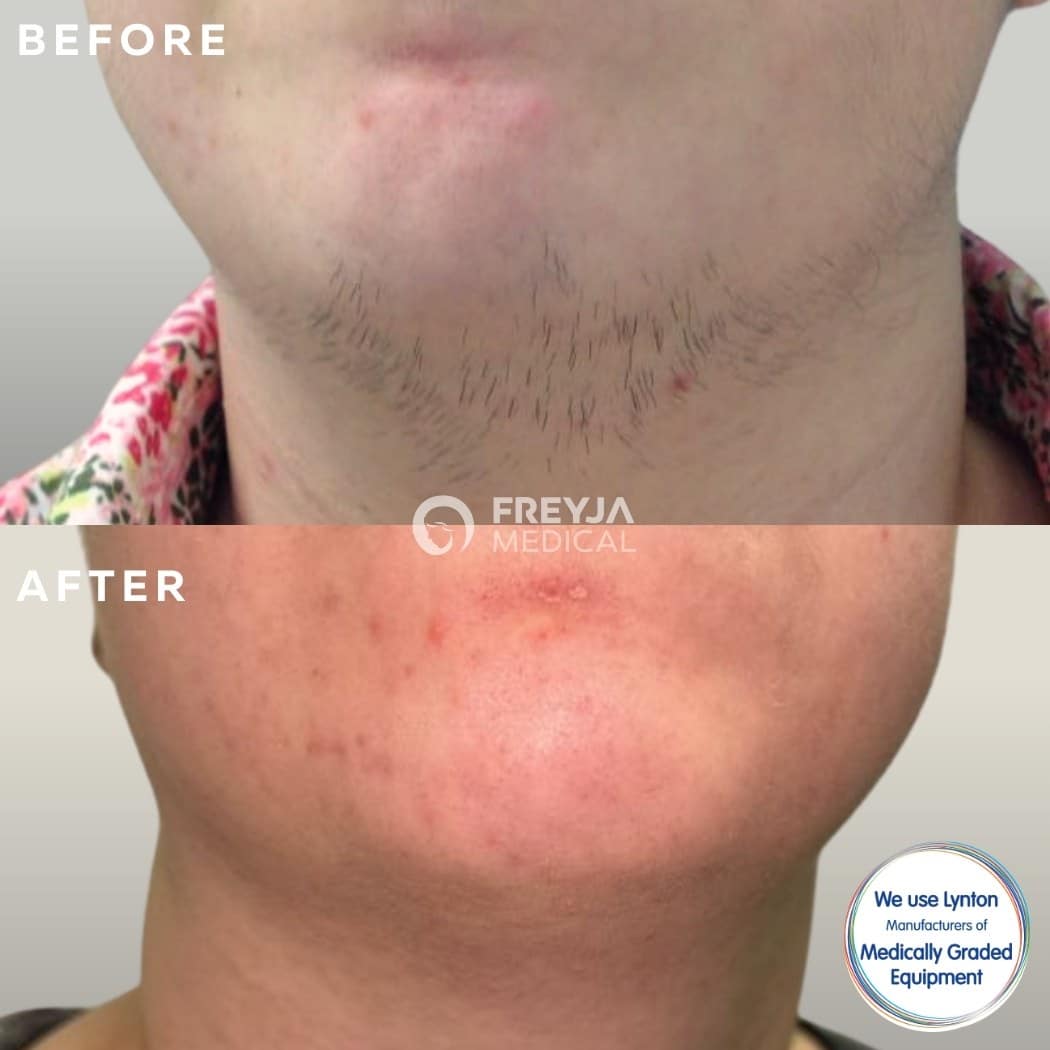
In both cases, multiple sessions are required because hair grows in cycles. Neither option provides instant permanent removal after one treatment.
IPL vs Laser for Redness and Rosacea
Redness and rosacea are typically driven by visible blood vessels and vascular activity within the skin.
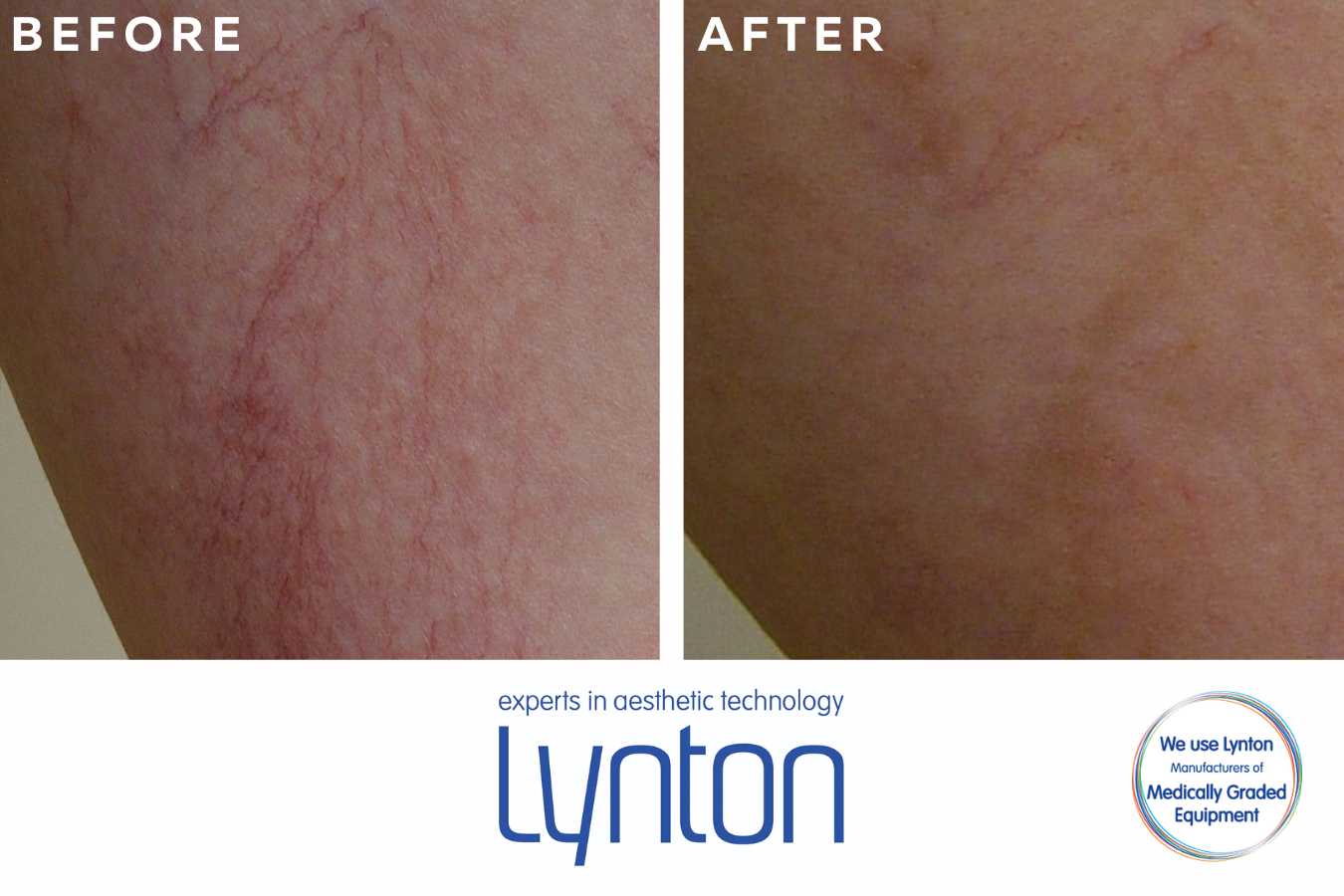
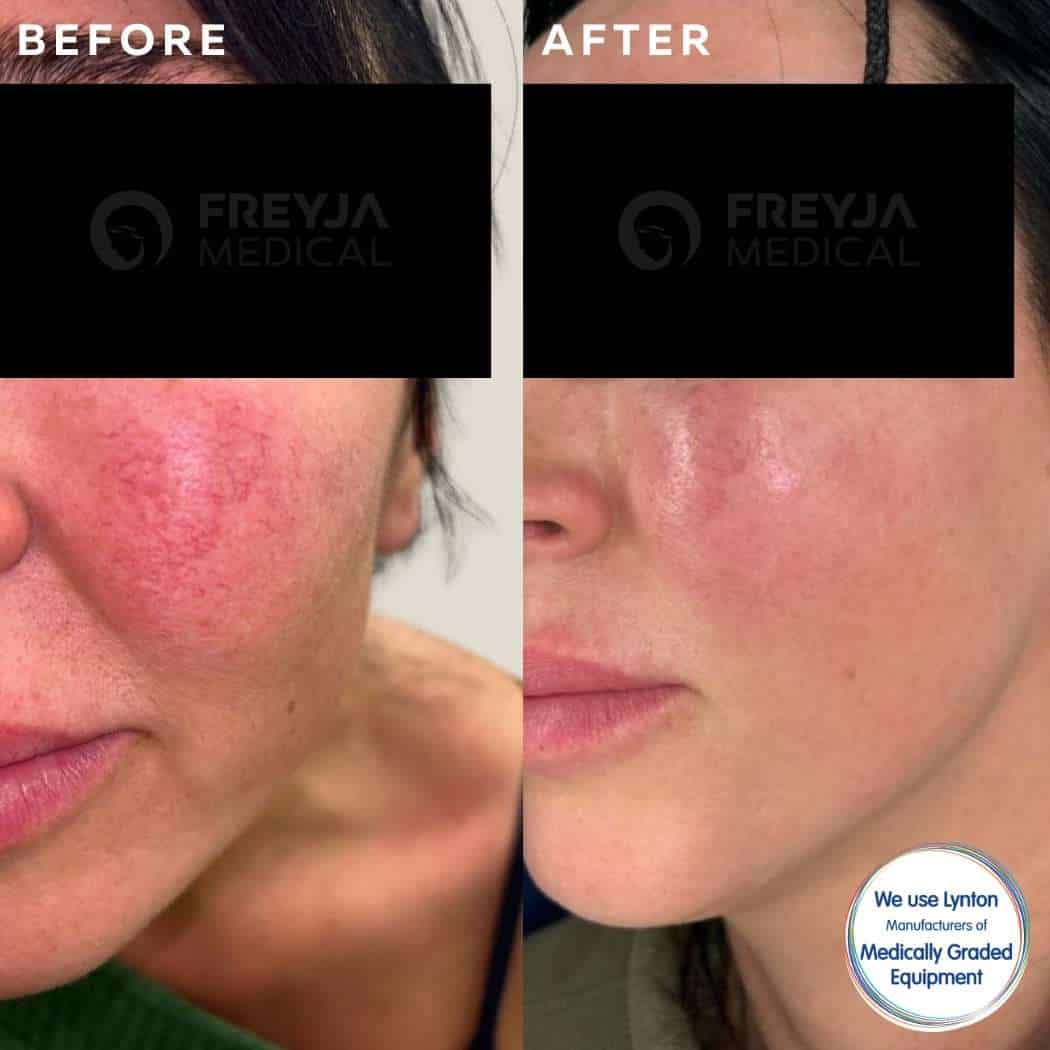
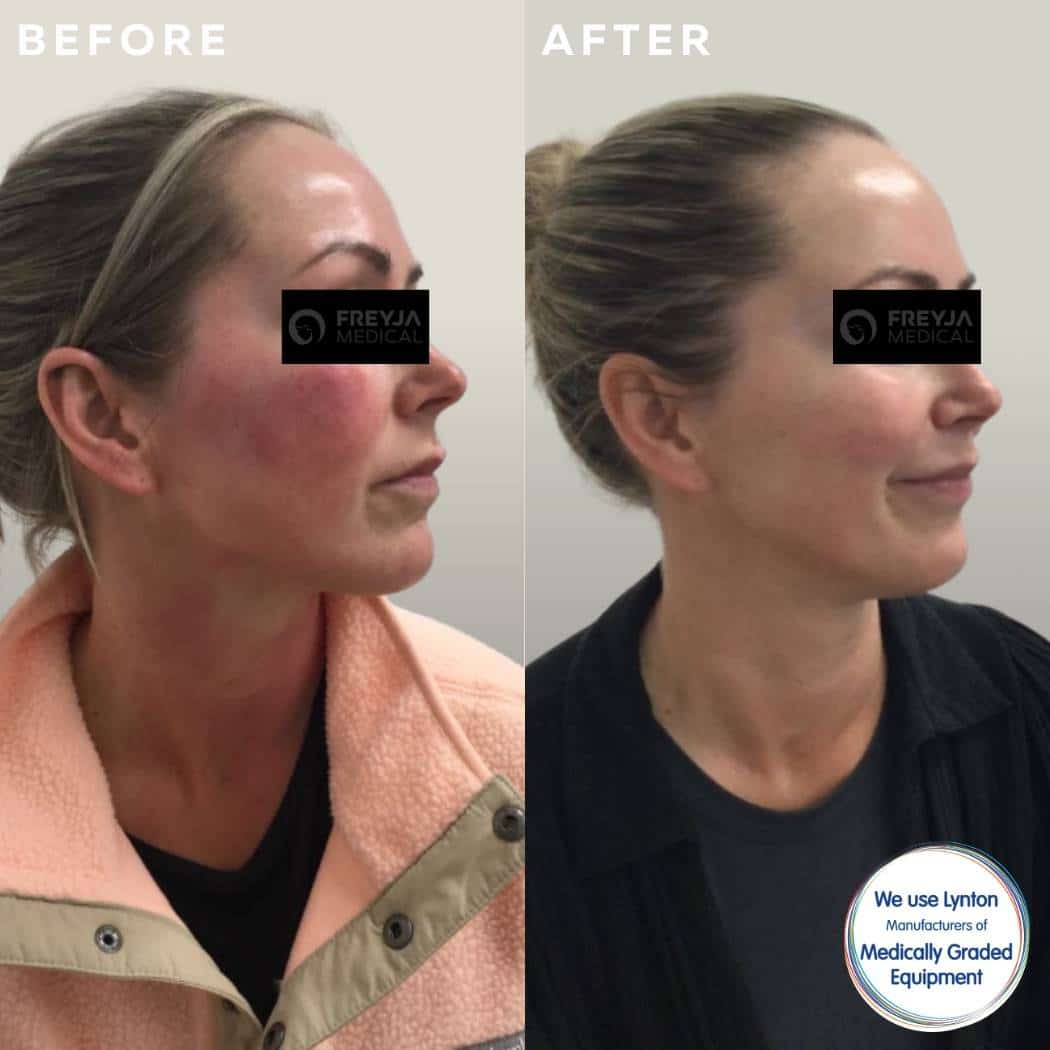
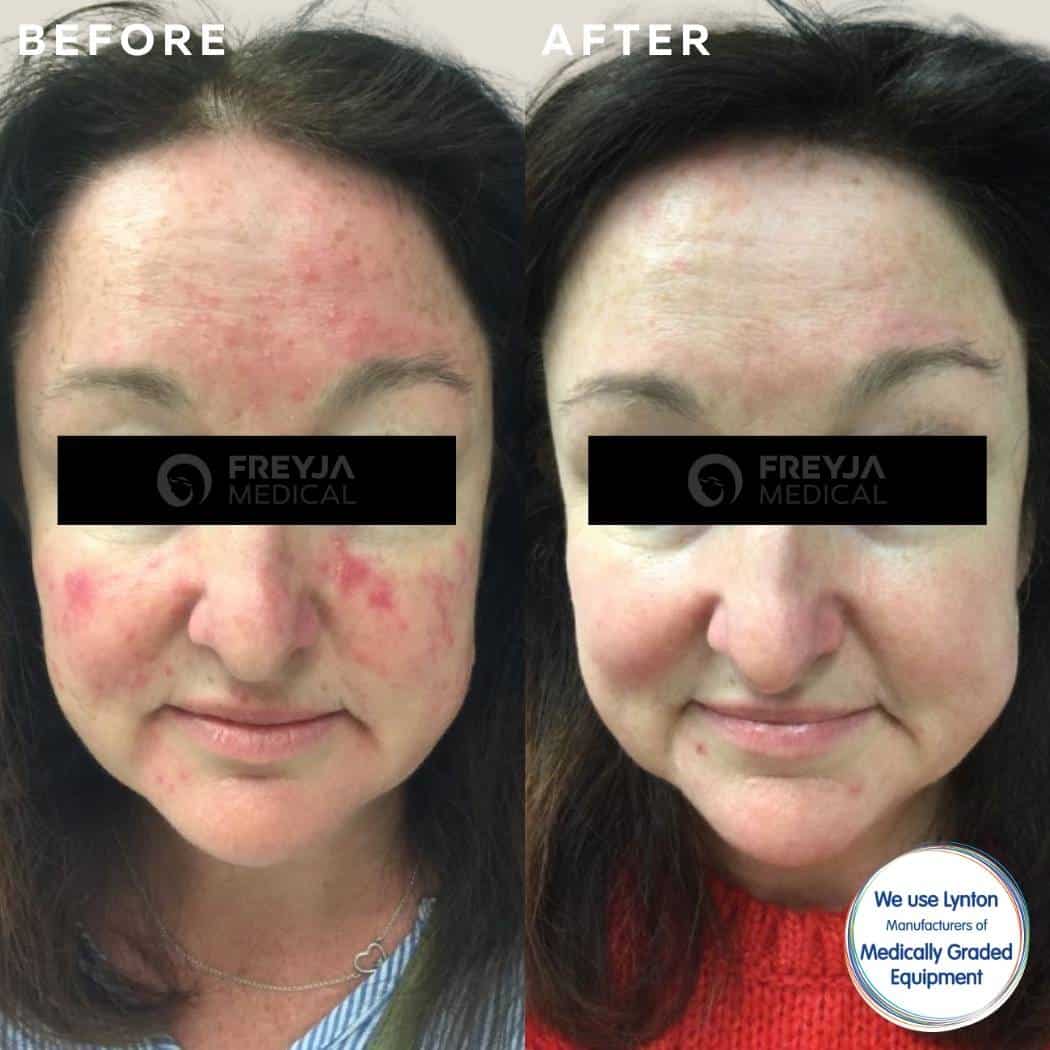
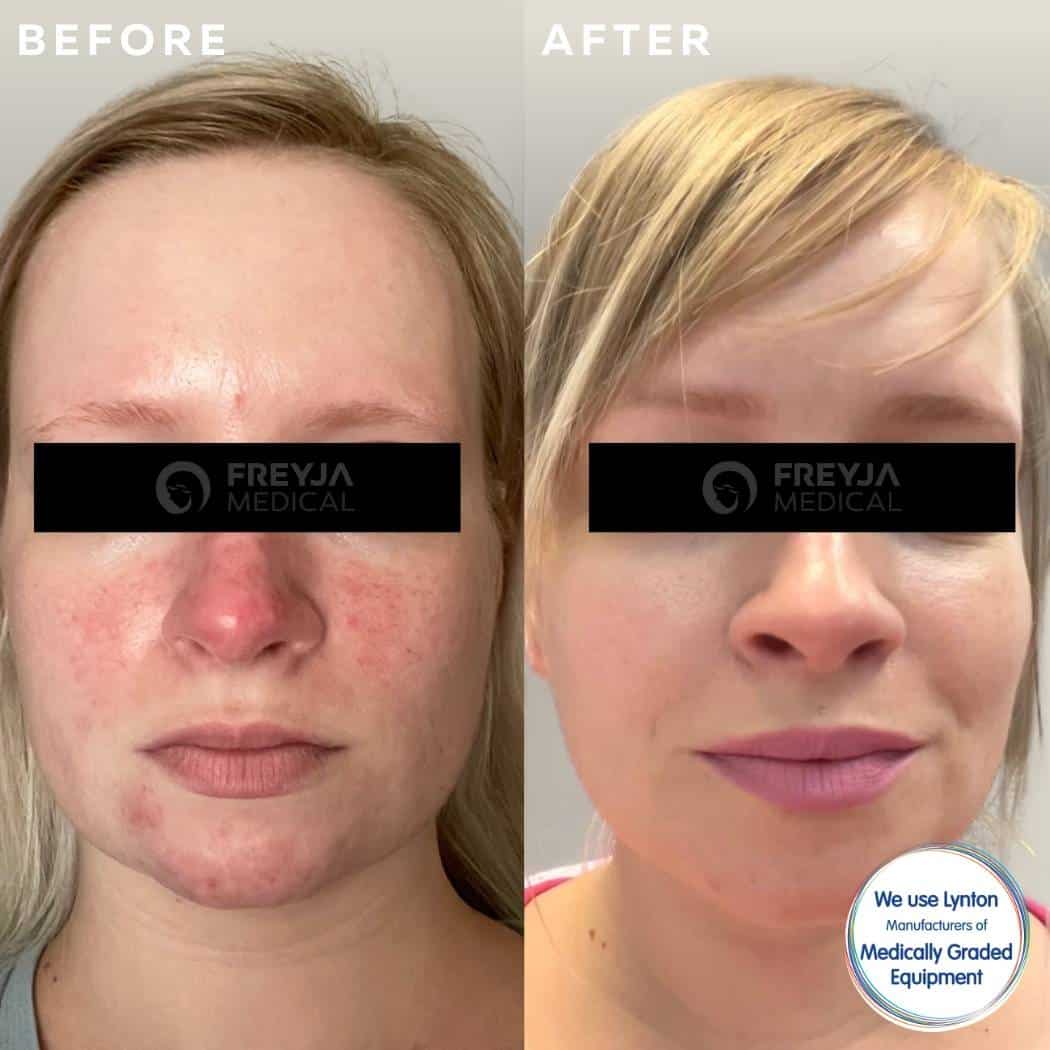
IPL for Redness
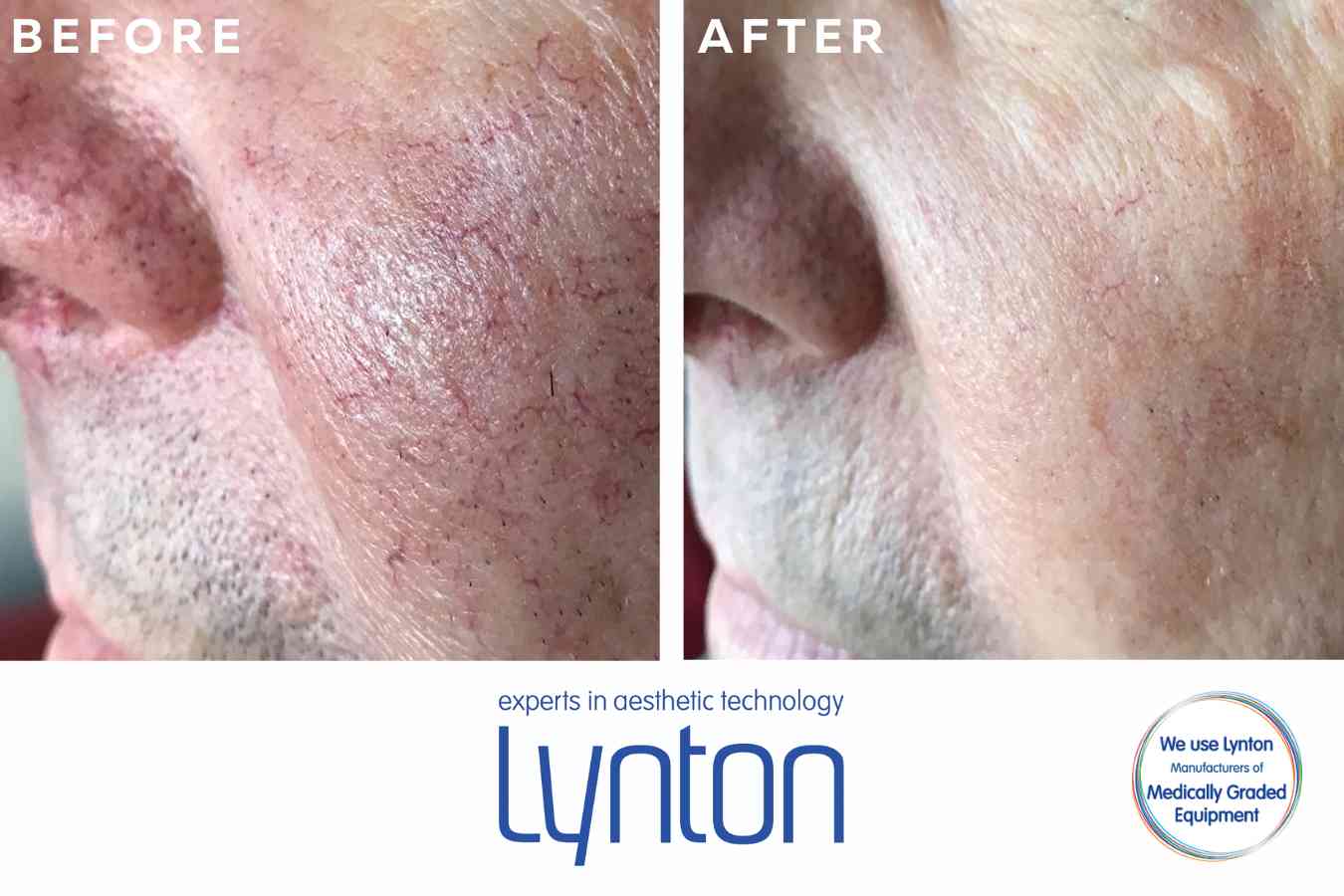
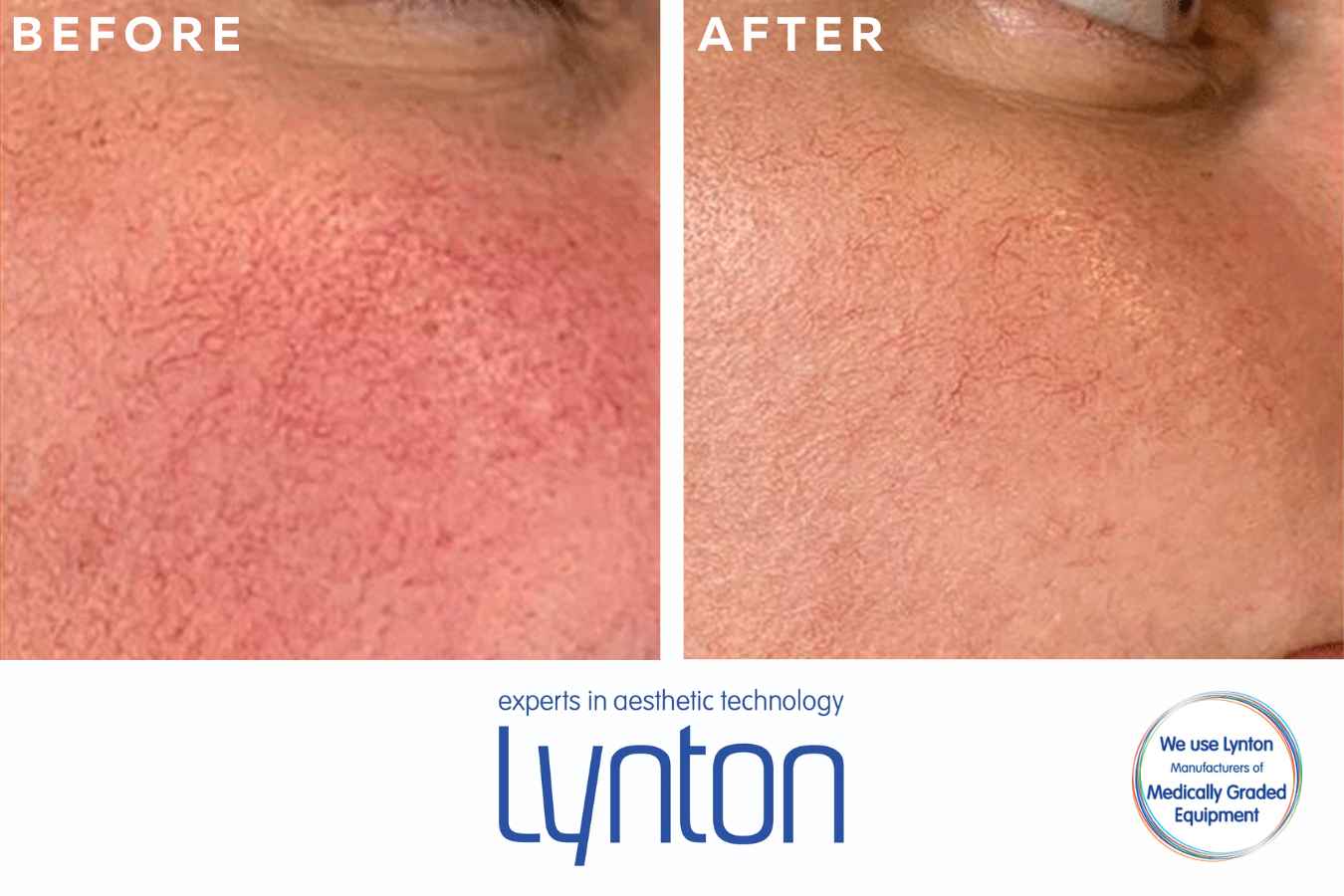
Because IPL uses multiple wavelengths, it can target haemoglobin while also improving background pigmentation and overall skin tone. This makes it a good option for patients with:
- Diffuse redness
- Early rosacea
- Combined pigmentation and redness
Laser for Redness
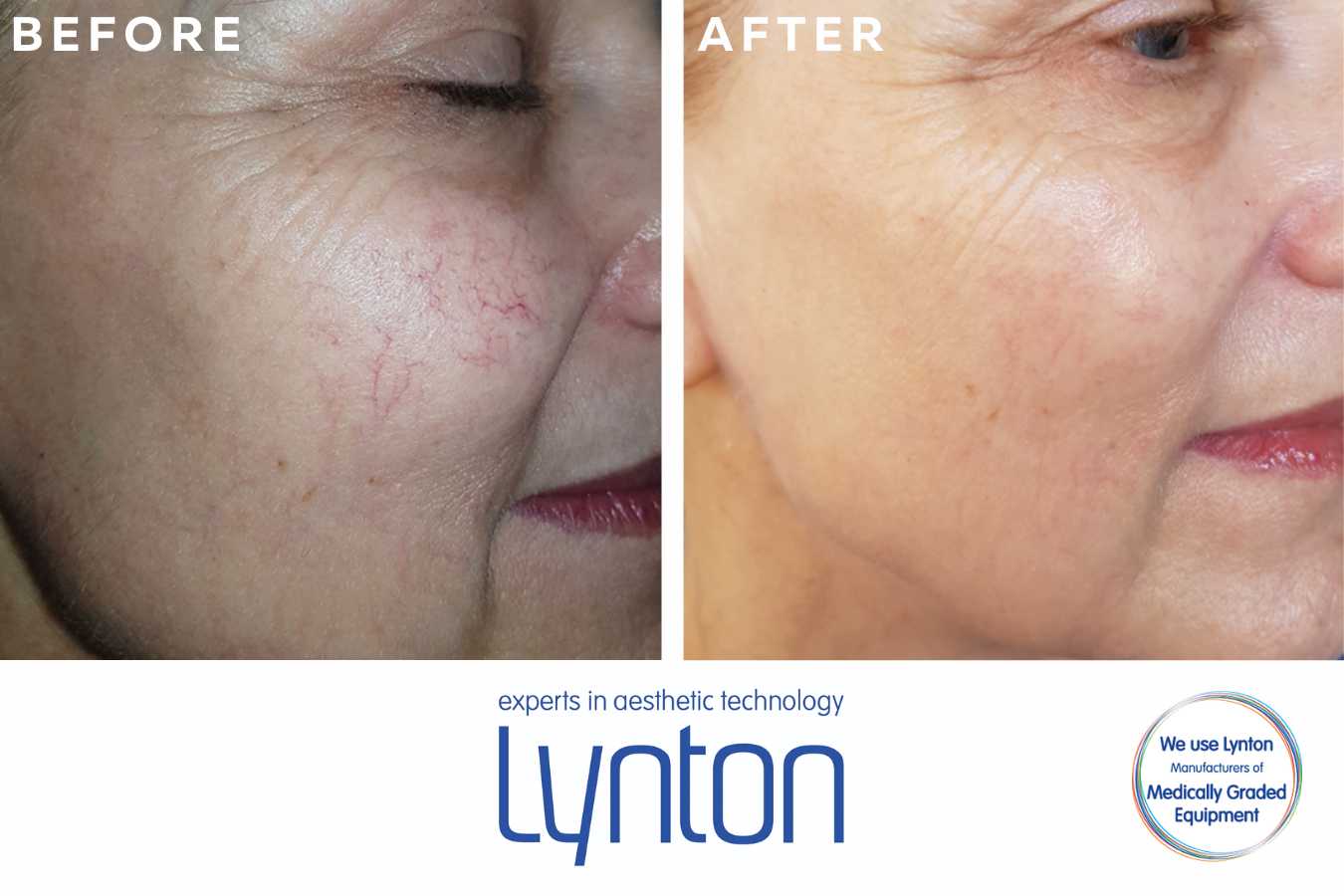
Laser devices can target blood vessels with high precision. This may be particularly helpful for:
- More defined broken capillaries
- Persistent vascular lesions
- Targeted rosacea flare areas
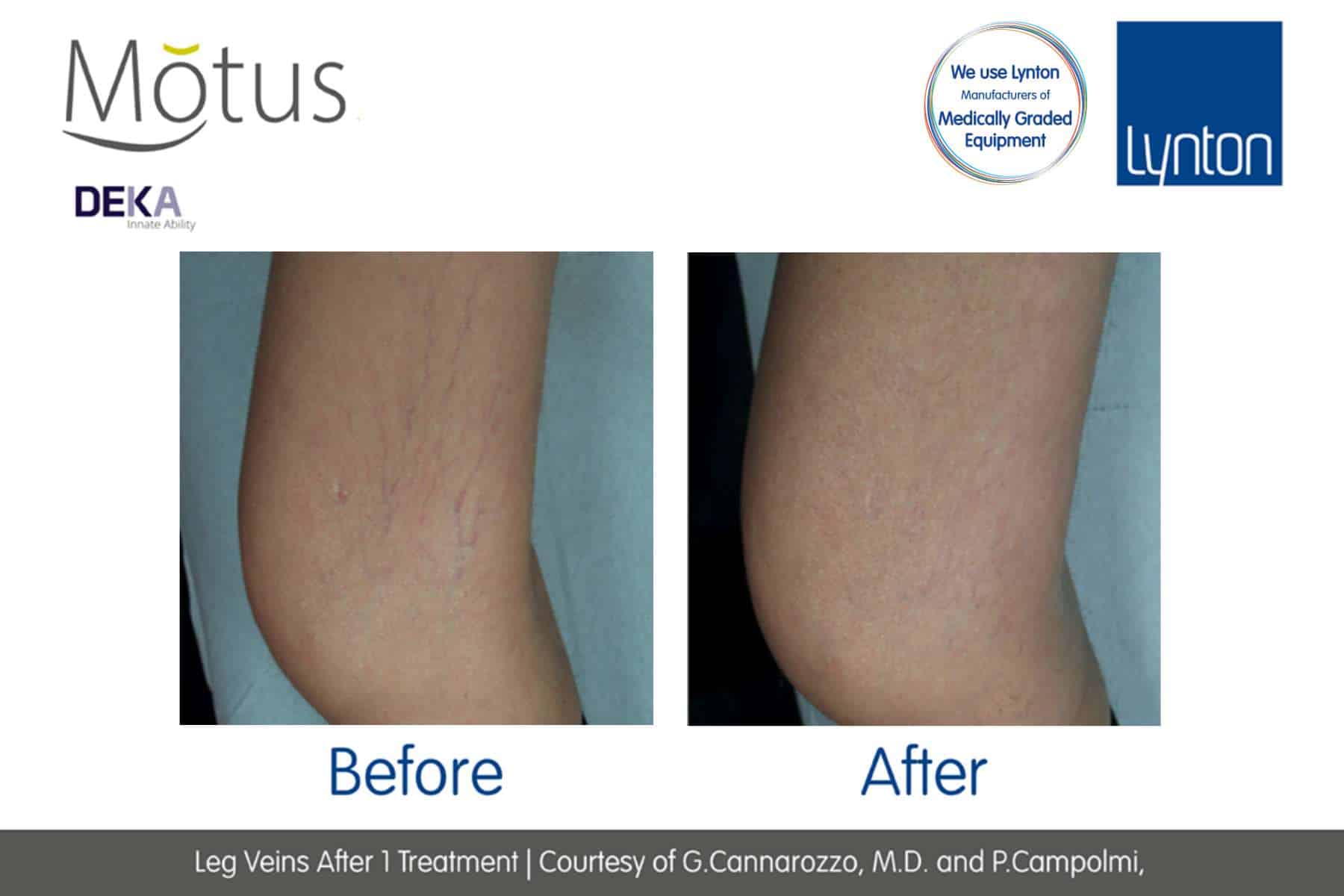
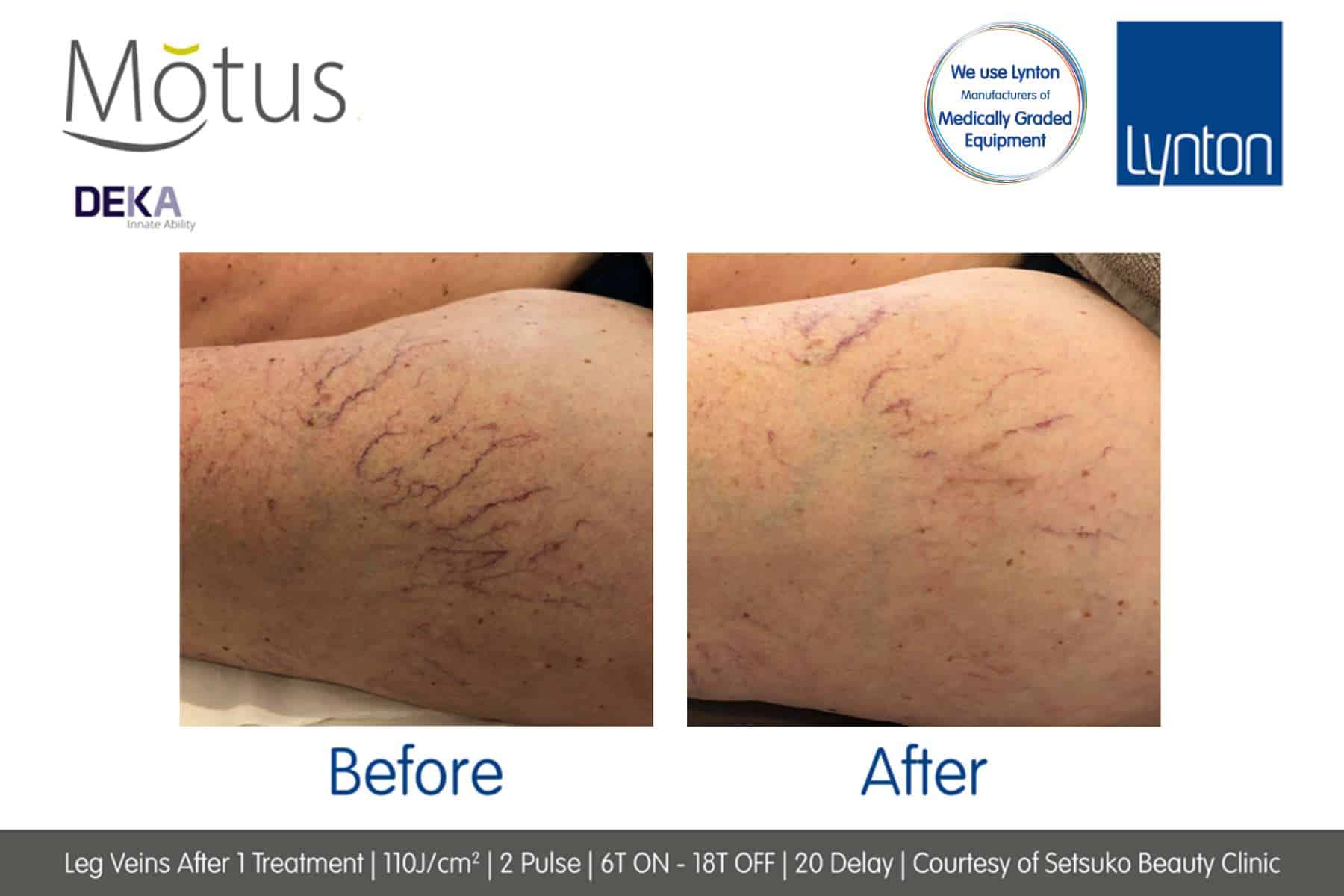
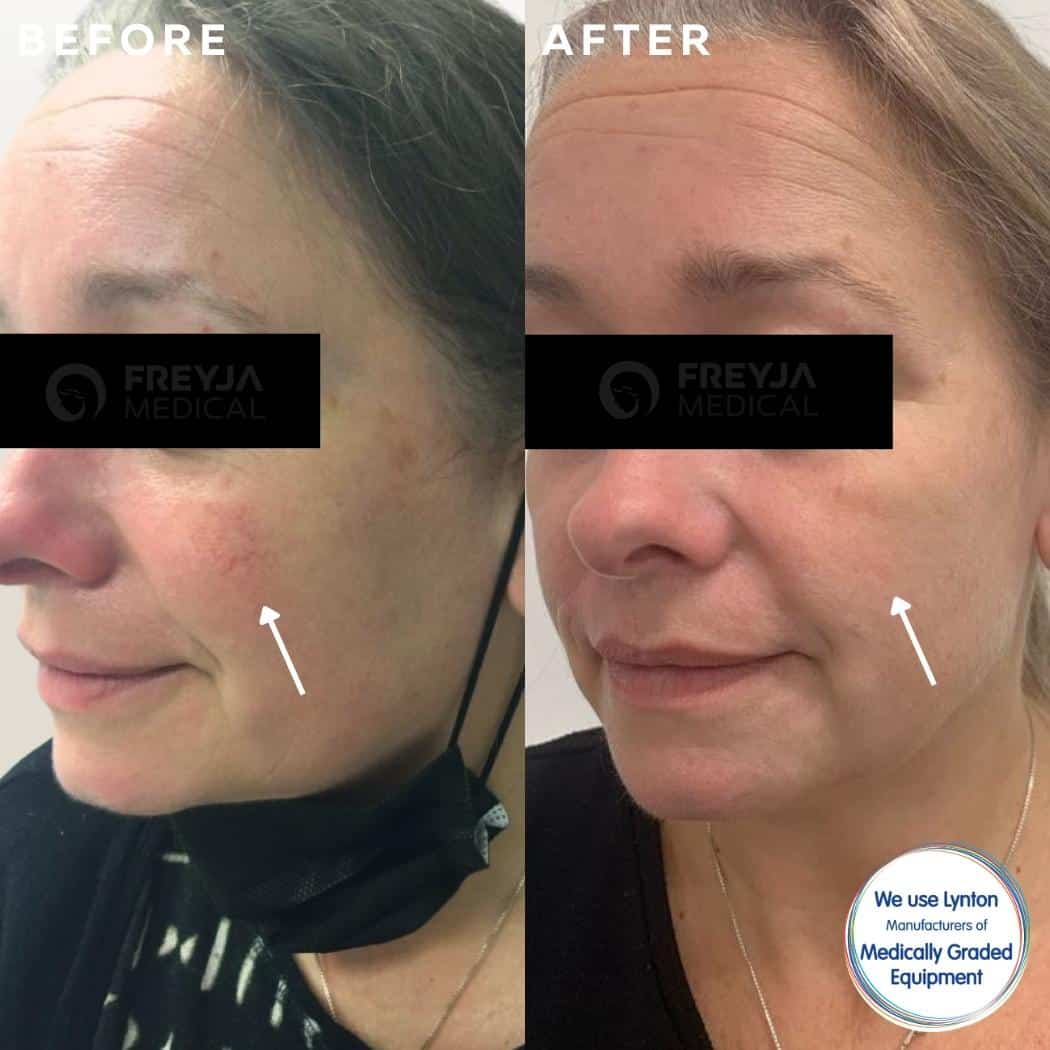
Both treatments aim to reduce visible redness over a course of sessions rather than after a single appointment.
IPL vs Laser for Pigmentation and Uneven Skin Tone
Pigmentation treatments work by targeting melanin in the skin.
IPL for Pigmentation
IPL can:
- Treat widespread sun damage
- Improve uneven tone
- Address multiple superficial pigment patches in one session
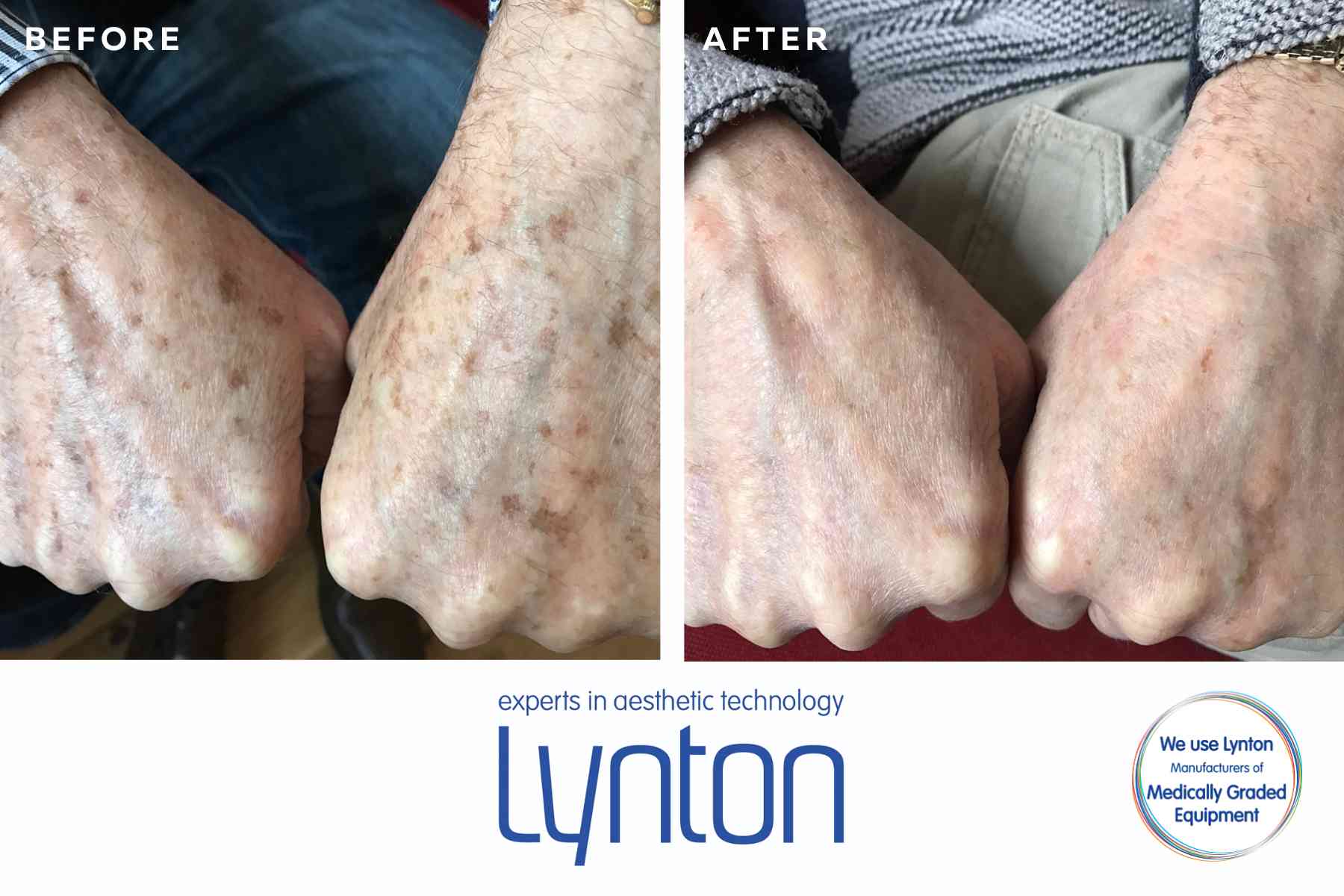
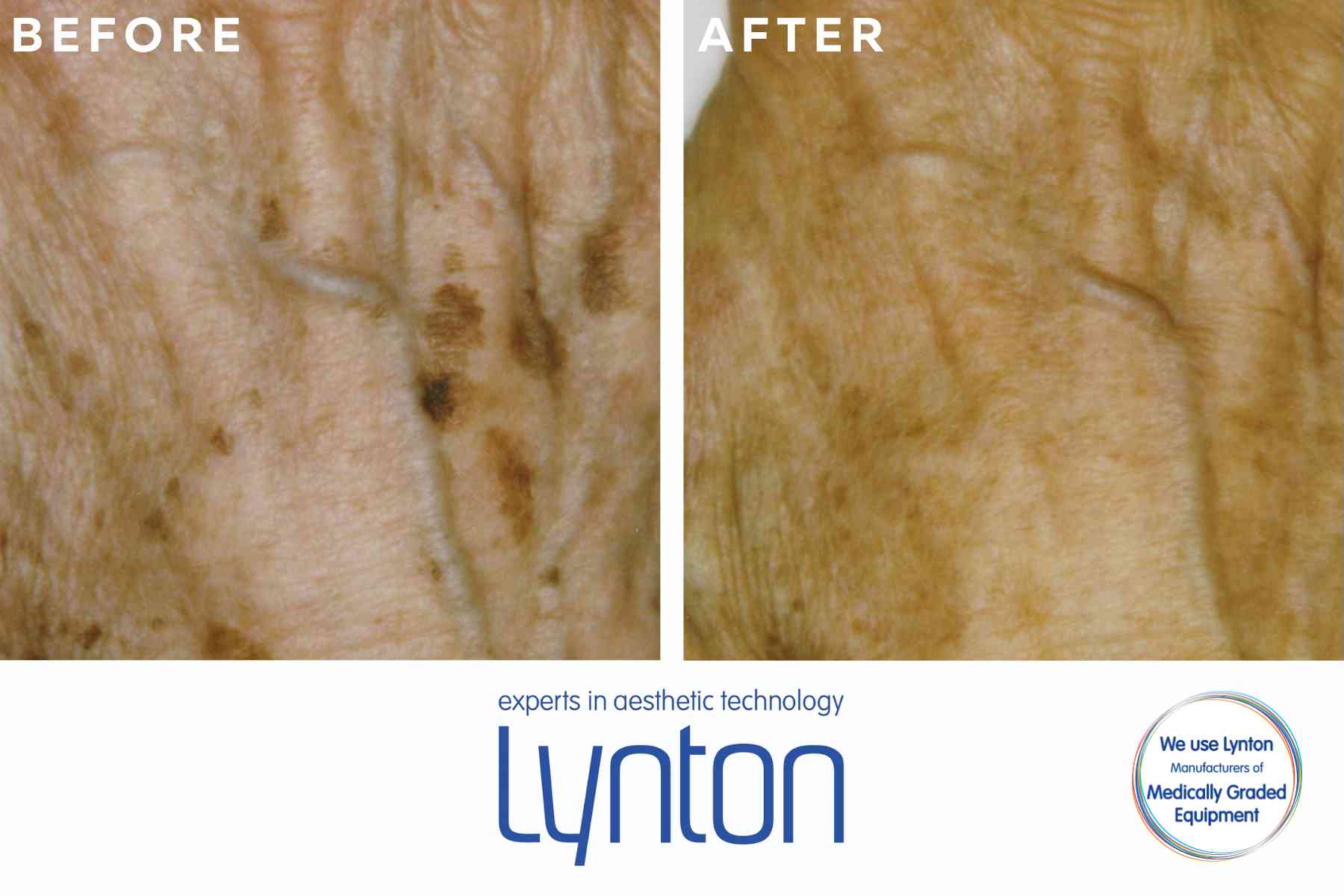
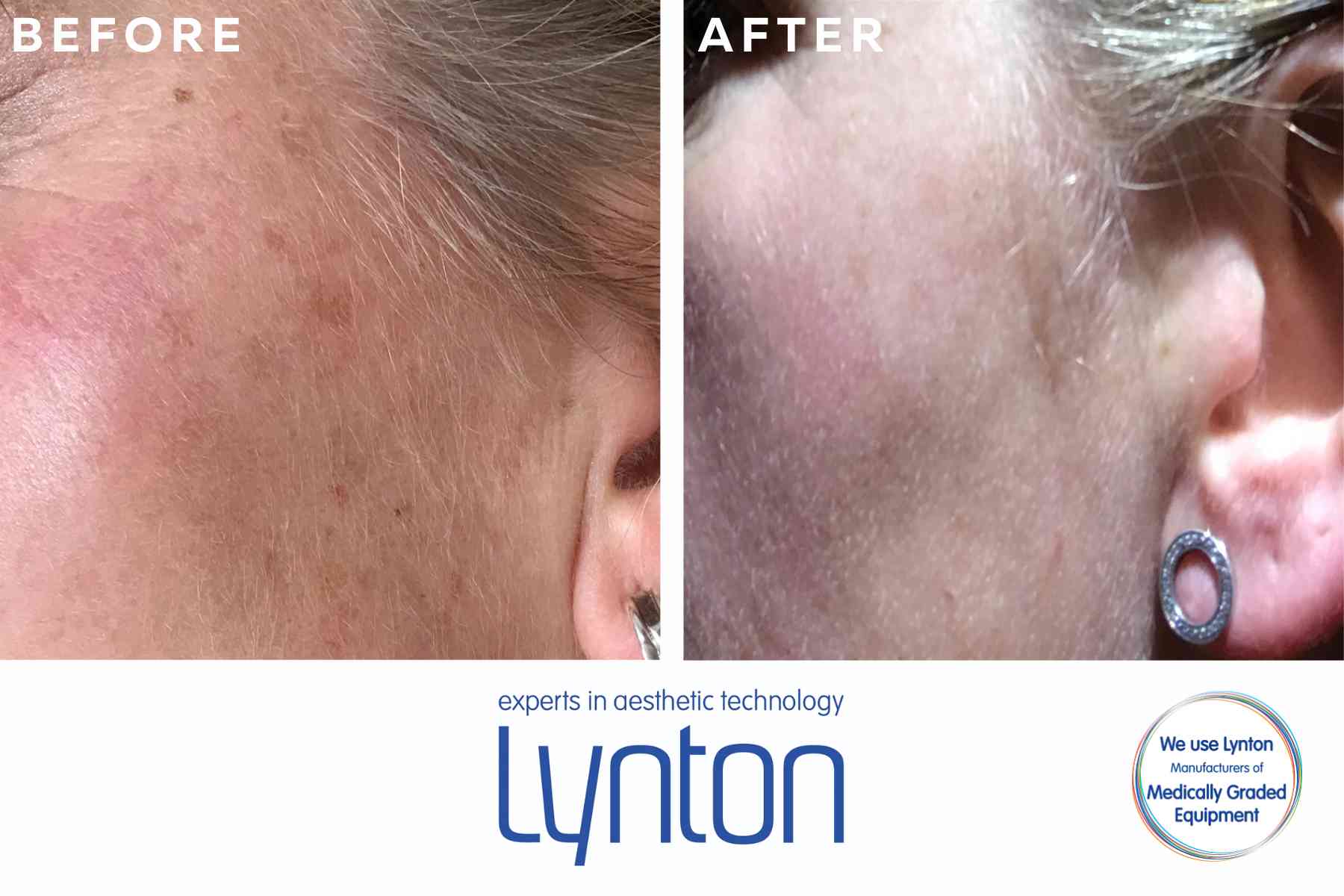
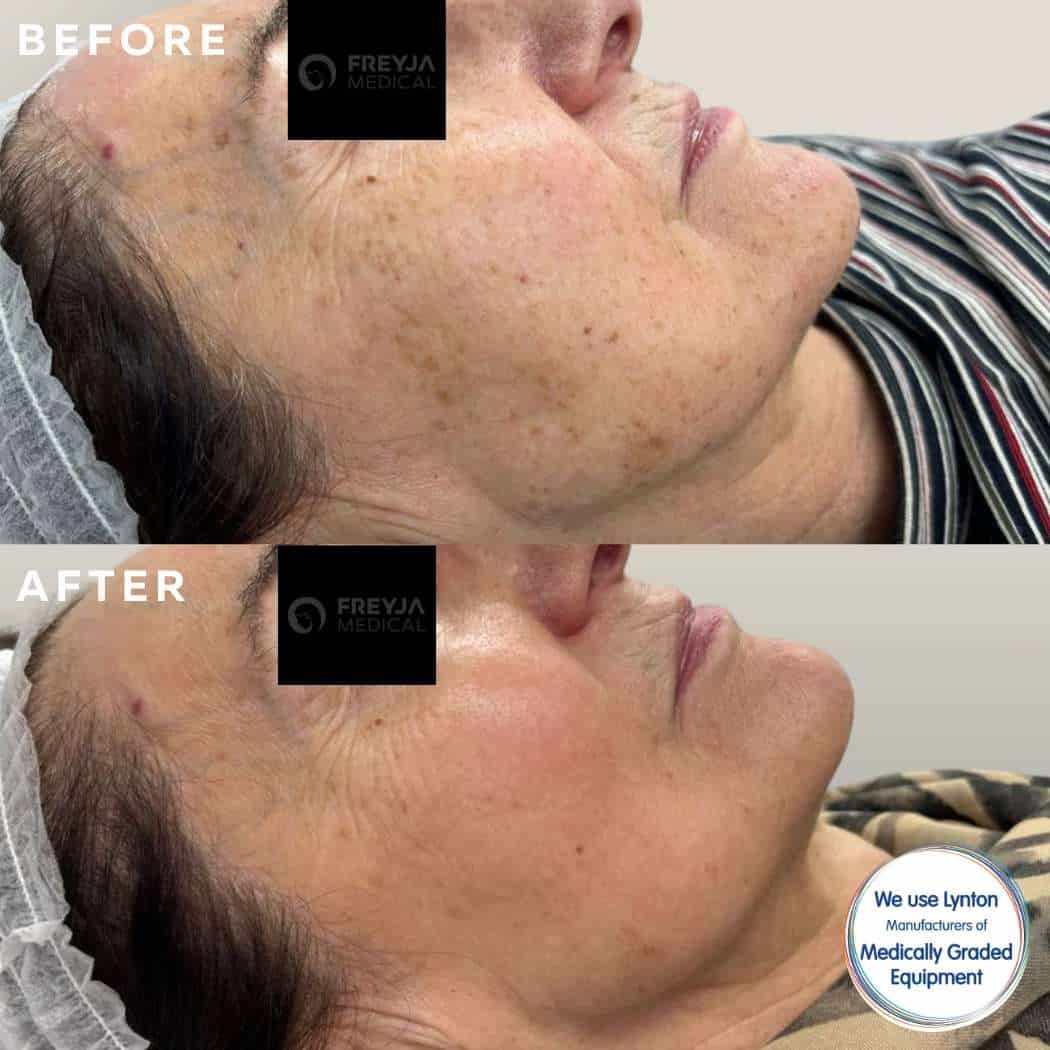
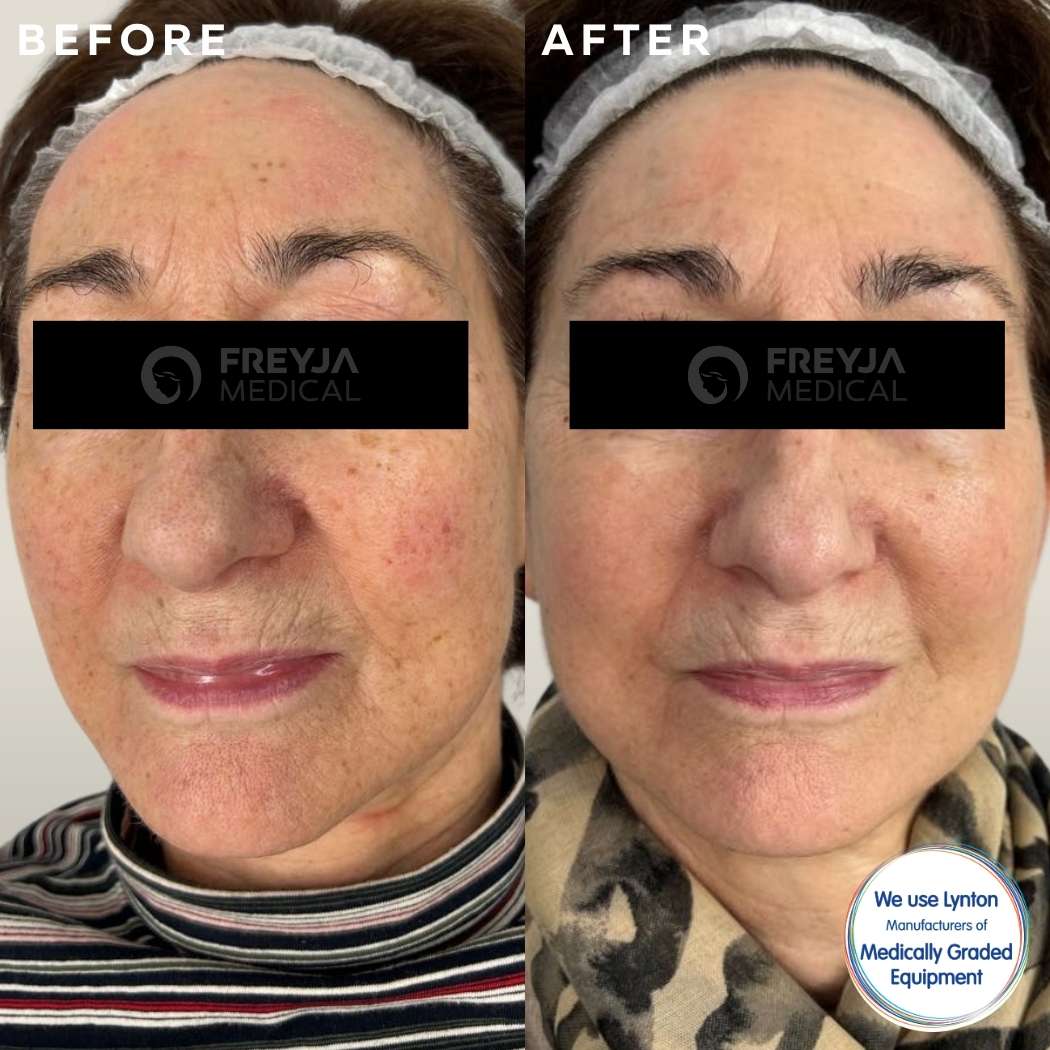
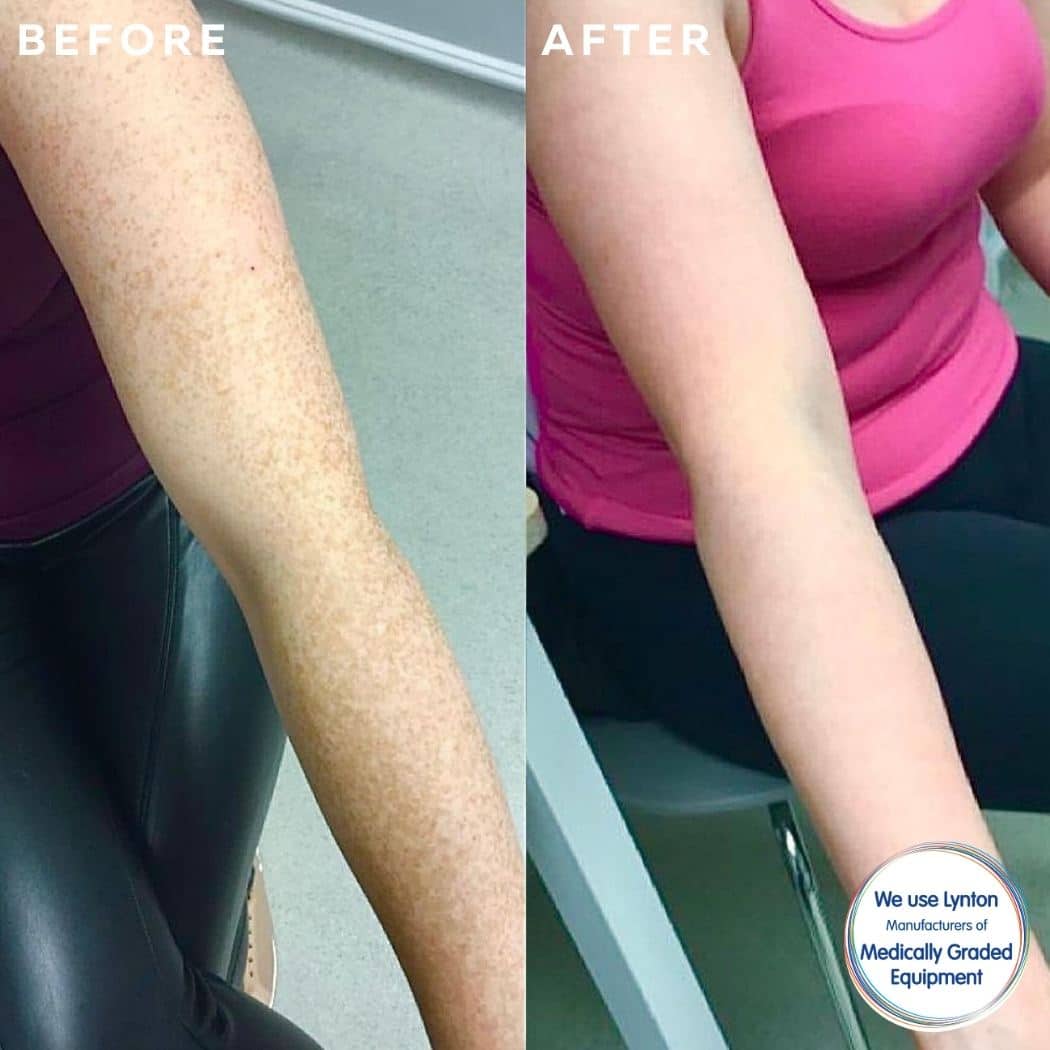
It is often chosen when pigmentation is more diffuse rather than deeply localised.
Laser for Pigmentation
Laser may be selected when:
- Pigmentation is more defined
- Precision is needed
- There are isolated pigment lesions
As with redness treatments, results typically develop gradually as the skin heals and pigment fragments are cleared.
Downtime and Side Effects
Both IPL and laser treatments may cause:
- Temporary redness
- Mild swelling
- A warm or sunburn-like sensation
- Temporary darkening of pigment before it flakes away
Downtime is usually minimal for both, though this can vary depending on:
- Treatment intensity
- Area treated
- Individual skin sensitivity
Appropriate skin assessment is essential before deciding which option is most suitable.
Skin Type Considerations
Skin type plays a major role in deciding whether IPL or laser is appropriate.
- Lighter skin tones often respond well to both.
- Darker skin types may require specific laser wavelengths designed for safety.
Because IPL uses a broader light spectrum, careful selection and settings are essential to minimise risk in higher Fitzpatrick skin types.

This is why a consultation and patch test are so important before beginning treatment.
Treatment Courses and Expectations
Whether choosing IPL or laser, it’s important to understand:
- Most concerns require a course of treatments.
- Results build gradually.
- Maintenance sessions may be needed.
Hair removal is typically spaced several weeks apart.
Redness and pigmentation treatments are often performed in a series for cumulative improvement.
Neither treatment should be viewed as an instant fix. The goal is controlled, progressive improvement.
Which Is Better?
The honest answer: it depends.
IPL and laser are simply different technologies designed to achieve similar outcomes in different ways.
Factors that influence the decision include:
- Your skin type
- Your specific concern
- Whether you have multiple issues at once
- Hair thickness and colour (for hair removal)
- Depth and type of pigmentation
- Extent of redness or vascular activity
In many cases, both options could be suitable. The choice often comes down to precision versus versatility.
Final Thoughts
IPL and laser are both well-established, clinically used technologies for:
- Hair reduction
- Redness and rosacea
- Pigmentation
- Uneven skin tone
- General skin rejuvenation
They are not competing treatments, but different tools used in different ways.
Understanding how they work, and how they differ, helps you make a more informed decision. Rather than asking which is “better”, it’s more helpful to ask which is most appropriate for your skin, your concern, and your goals.
In many cases, both IPL and laser can be suitable. The key is choosing the right approach for your skin, with the correct settings and treatment plan.
Book Your IPL or Laser Consultation
Choosing between IPL and laser doesn’t have to be something you figure out alone.
At Freyja Medical, every treatment begins with a detailed consultation to ensure the safest and most appropriate approach for your skin.
During your appointment, we will:
- Assess your skin type and tone
- Examine your specific concern (hair, redness, rosacea, pigmentation or uneven skin tone)
- Review your medical history and any contraindications
- Discuss previous treatments and results
- Carry out a patch test where appropriate
From there, we’ll recommend whether IPL or laser is the best option, and create a personalised treatment plan tailored to your skin.
Click here to book your consultation today to get started with a treatment plan designed specifically for you.