

Bowen’s Disease
Bowen’s disease is an early form of squamous cell skin cancer in which abnormal cells are confined to the outer layer of the skin. At Freyja Medical, our dermatology team provides expert assessment, diagnosis and treatment for Bowen’s disease in Wrexham, Nantwich, Chester and Shrewsbury.
If you have a persistent red, scaly or crusty patch of skin that does not heal, our dermatologists can assess the area and advise you on the most appropriate next steps.
What is Bowen’s Disease?
Bowen’s disease, also known as squamous cell carcinoma in situ (SCC in situ) or intraepidermal carcinoma, is a very early form of squamous cell skin cancer.
The abnormal cells are contained within the epidermis, the outermost layer of the skin, and have not grown into the deeper tissues. Bowen’s disease usually develops slowly, often over months or years.
Although it is generally highly treatable, Bowen’s disease should be assessed and appropriately managed because, in a small proportion of cases, it can develop into invasive squamous cell carcinoma (SCC).

Bowen’s Diagnosis and Treatment

Dermatology Consultation
Our specialist dermatology team provides comprehensive assessment, diagnosis and management of suspected Bowen’s disease.
During your consultation, your dermatologist will carefully examine the affected area and assess its appearance. Bowen’s disease can sometimes resemble other skin conditions, including eczema, psoriasis, actinic keratosis and other forms of skin cancer, so an accurate diagnosis is important.
Where necessary, a small sample of skin may be removed and sent for laboratory examination (a biopsy) to confirm the diagnosis.
If Bowen’s disease is diagnosed, your dermatologist will discuss the most appropriate management options based on factors including the size, location and characteristics of the lesion, alongside your general health and individual circumstances.

Bowen’s Disease Treatment
There are several possible treatments for Bowen’s disease, and the most appropriate option will depend on the individual lesion and patient.
Treatment options can include topical treatments such as 5-fluorouracil or imiquimod, cryotherapy, curettage and cautery, photodynamic therapy or surgical removal. In some circumstances, careful monitoring may also be considered.
Where surgery is clinically appropriate, the affected skin can be removed under local anaesthetic and sent for laboratory examination.
Your dermatologist will explain the available options and recommend an individual treatment plan based on your diagnosis.
Bowen’s Disease Treatment in Wrexham, Nantwich, Chester & Shrewsbury
Select your nearest Freyja Medical clinic to view accessibility information, directions and plan your journey.
Wrexham
Accessibility Information
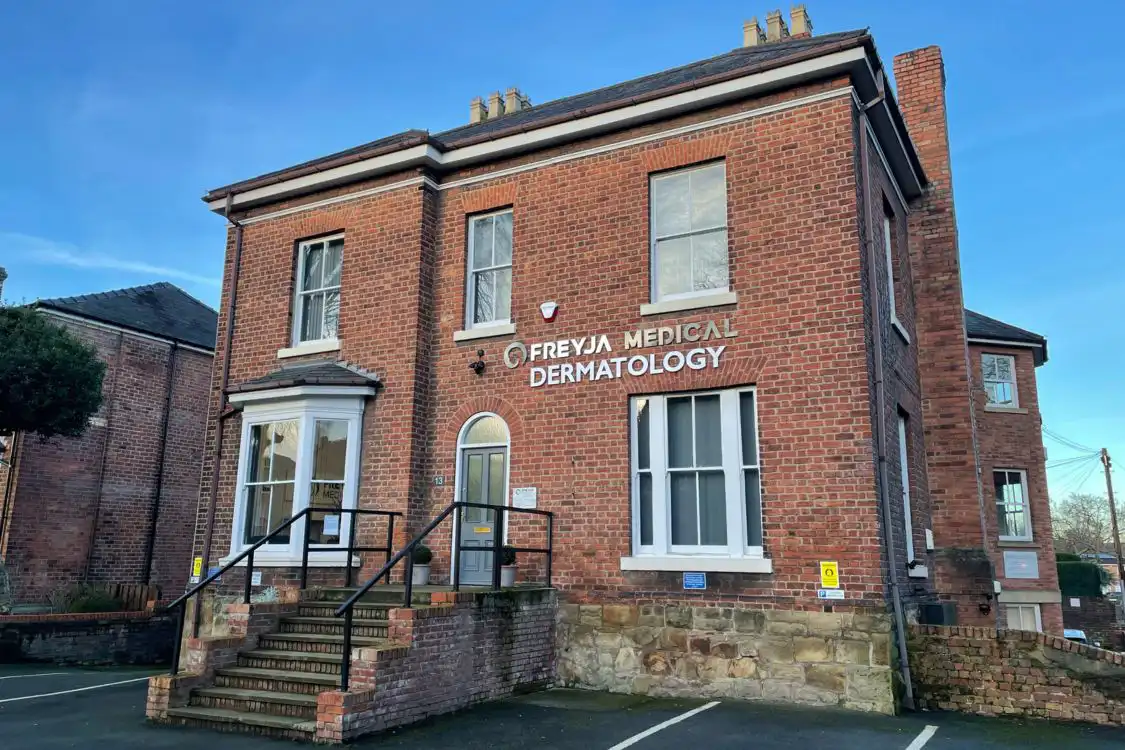
At Freyja Medical, we strive to accommodate all our clients. Please note, however, that our Wrexham clinic is located in a building with steps leading to the entrance and stairs to the clinic rooms, which may present difficulties for those with mobility impairments. For those in need of accessible facilities, we invite you to scroll down for details on our Shrewsbury clinic or Chester clinic (Inside Chester Wellness Centre), which may offer more suitable options for your needs.
Nantwich
Accessibility Information
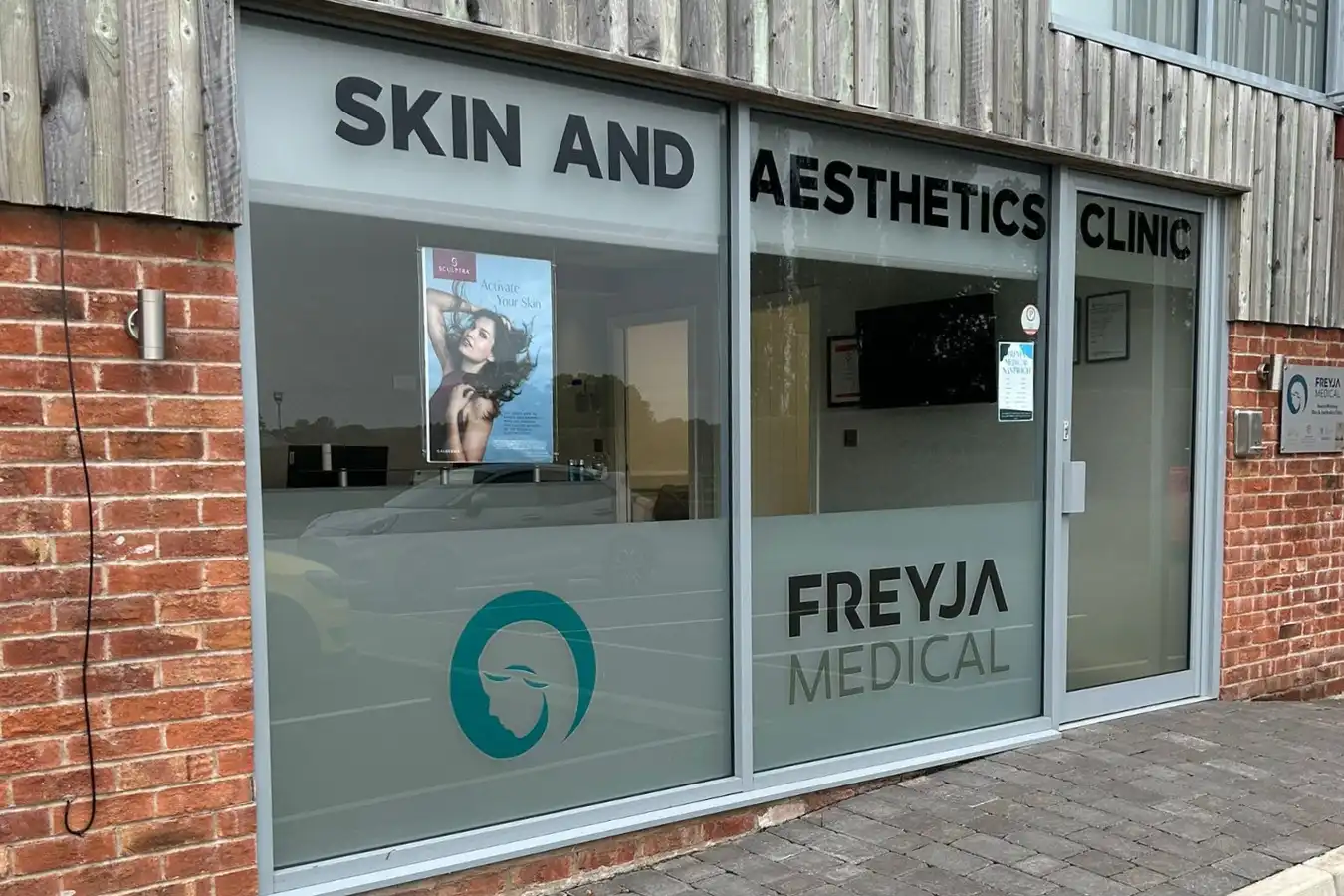
At Freyja Medical Nantwich, we are pleased to offer convenient disabled parking and ground-floor access to all our clinic rooms. Please be aware, however, that there is a step leading up to the pavement at the clinic entrance.

Chester (Inside Chester Wellness Centre)
Accessibility Information
Our Chester clinic is conveniently located inside Chester Wellness Centre, just off Wrexham Road. The centre offers ample free parking and full disabled access, ensuring a comfortable and accessible visit for all patients. When you arrive, simply check in at reception, and you’ll be directed to the Freyja Medical suite.

Chester (Upton)
Accessibility Information
At Freyja Medical, we strive to accommodate all our clients. Please note, however, that our Chester Upton clinic has stairs to the clinic rooms, which may present difficulties for those with mobility impairments. For those in need of accessible facilities, we invite you to scroll up for details on our Shrewsbury clinic or Chester clinic (Inside Chester Wellness Centre), which may offer more suitable options for your needs.

Shrewsbury
Accessibility Information
Our Shrewsbury clinic is conveniently located inside Sterling House, on Shrewsbury Business Park. The centre offers ample free parking and full disabled access, with a lift inside the building, ensuring a comfortable and accessible visit for all patients.
Meet the Experts Who Can Help You Treat Bowen’s Disease
At Freyja Medical, assessment and treatment of Bowen’s disease is led by experienced dermatologists with expertise in skin cancer diagnosis and management.
From your initial assessment through to treatment and follow-up, you will receive evidence-based care tailored to your individual diagnosis and circumstances.
Dermatologists for Bowen’s Disease
Our dermatologists can assess lesions suspected to be Bowen’s disease, establish an appropriate diagnosis and recommend treatment based on factors such as the size, location and clinical characteristics of the affected area.

Dr James Dean – Locum Consultant Dermatologist
Provides locum consultant-led assessment and treatment for BCC, with evidence-based care tailored to the individual.
| Dr James Dean's Availability | ||
|---|---|---|
| Monday | Wrexham | 9.30am - 4.00pm |
| Tuesday | Wrexham / Chester Wellness Centre (please view our online diary for more info, click here) | 12.30pm - 4.00pm |
| Wednesday | Chester Upton | 9.30am - 3.00pm |
| Thursday | Nantwich | 9.30am - 4.00pm |

Dr Keli Thorsteinsson – Consultant Dermatologist
Offers expert dermatology care for the diagnosis and treatment of BCC, using clinically guided, evidence-based approaches.
| Dr Keli Thorsteinsson's Availability | ||
|---|---|---|
| Tuesday | Wrexham | 12.30pm - 4.00pm |
| Wednesday | Shrewsbury | 9.30am - 4.00pm |
| 1st and 3rd Friday of the month | Wrexham | 9.30am - 12.30pm |

Dr Richard Jerrom – Consultant Dermatologist
Provides specialist consultant-led care for BCC, with personalised treatment plans based on the type, size and location of the lesion.
| Dr Richard Jerrom's Availability | ||
|---|---|---|
| Thursday | Wrexham | 9.30am - 4.00pm |
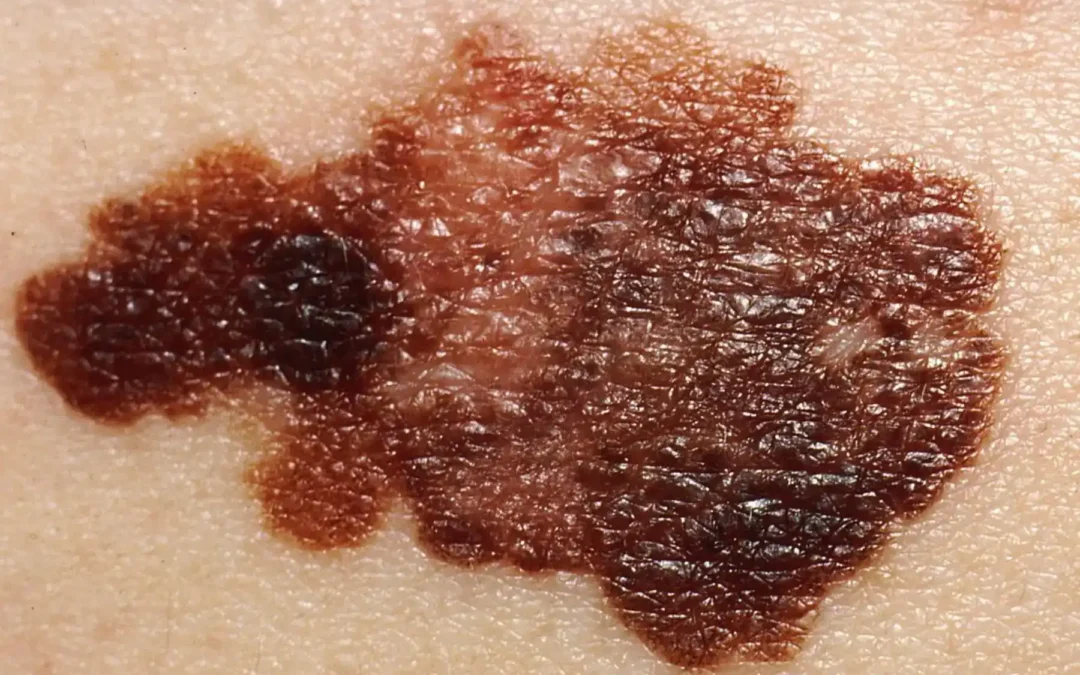
What does Bowen’s disease look like?
Bowen’s disease commonly appears as a persistent patch of scaly, crusty or rough skin with a clearly defined edge. On lighter skin it may appear red or pink, although changes in colour can be less noticeable on brown or black skin.
The patch may be flat or slightly raised and can sometimes itch. Because Bowen’s disease can resemble eczema, psoriasis and other skin conditions, a persistent or changing patch should be professionally assessed.
Is Bowen’s disease skin cancer?
Yes. Bowen’s disease is also known as squamous cell carcinoma in situ (SCC in situ). This means abnormal cancerous squamous cells are present but remain confined to the outermost layer of the skin and have not invaded the deeper tissues.
Is Bowen’s disease serious?
Bowen’s disease is usually slow-growing and can often be treated effectively. However, it should not be ignored because a small proportion of untreated cases can progress to invasive squamous cell carcinoma.
Appropriate assessment allows a dermatologist to confirm the diagnosis and determine whether treatment or monitoring is required.
Can Bowen’s disease turn into squamous cell carcinoma?
Yes. Bowen’s disease is an early, non-invasive form of squamous cell carcinoma. In a small proportion of cases, the abnormal cells can grow into deeper layers of the skin and become invasive squamous cell carcinoma.
Changes such as the development of a lump, ulceration or bleeding within an existing patch should be medically assessed.
What causes Bowen’s disease?
Long-term exposure to ultraviolet (UV) radiation from sunlight is an important risk factor for Bowen’s disease, which is why it commonly occurs on sun-exposed skin.
Other recognised risk factors include a weakened immune system, previous radiotherapy and, in some cases, infection with certain types of human papillomavirus (HPV).
Where does Bowen’s disease commonly occur?
Bowen’s disease can develop anywhere on the skin but is frequently found on areas that have received significant sun exposure, including the head, neck and lower legs.
It can also occur on areas that are not routinely exposed to the sun.
How is Bowen’s disease diagnosed?
A dermatologist will usually begin by examining the affected area. Because Bowen’s disease can resemble several other skin conditions, a biopsy may be recommended to confirm the diagnosis.
This involves removing a small sample of the affected skin so that the cells can be examined under a microscope.
How is Bowen’s disease treated?
Treatment depends on factors including the size, location and number of lesions, as well as the patient’s overall health.
Options can include topical medication, cryotherapy, curettage and cautery, photodynamic therapy or surgical removal. In selected cases, careful monitoring may be appropriate.
Your dermatologist will discuss which approach is most suitable for you.
Does Bowen’s disease need surgery?
Not always. Surgery is one treatment option for Bowen’s disease, but other treatments may be appropriate depending on the characteristics and location of the lesion.
Your dermatologist will assess the affected area and explain the advantages and limitations of the treatment options available to you.
Can Bowen’s disease come back after treatment?
Bowen’s disease can occasionally recur after treatment. People who develop Bowen’s disease may also have significant previous sun exposure and can develop other areas of sun damage or skin cancer.
Follow-up, monitoring your skin for changes and protecting it from excessive UV exposure are therefore important.
When should I have a suspicious patch of skin checked?
You should consider having a persistent skin change assessed if you notice a scaly, crusty or red patch that does not heal, particularly if it continues to grow or change.
A patch that begins to bleed, ulcerate or develop a lump should be assessed promptly, as these changes can sometimes indicate progression to invasive squamous cell carcinoma.
What is the difference between Bowen’s disease and squamous cell carcinoma?
Bowen’s disease is squamous cell carcinoma in situ, meaning the abnormal cells remain confined to the epidermis and have not invaded deeper tissues.
In invasive squamous cell carcinoma, the cancerous cells have grown beyond the epidermis into deeper layers of the skin. This distinction is important because invasive SCC has the potential to spread to other parts of the body.
What Bowen’s disease treatment in Wrexham is available?
At our Wrexham clinic, we provide dermatologist-led assessment and management of suspected Bowen’s disease.
Dr Keli Thorsteinsson, Dr James Dean and Dr Richard Jerrom can assess persistent or suspicious skin lesions, arrange further investigation where required and recommend an appropriate treatment plan based on your diagnosis.
Where clinically appropriate, skin surgery can also be discussed as part of your treatment.
What Bowen’s disease treatment in Nantwich is available?
At our Nantwich clinic, Dr James Dean. provides specialist dermatology assessment for suspicious or persistent skin lesions, including possible Bowen’s disease.
Following examination, he can advise whether further investigation, such as a biopsy, is appropriate and discuss the treatment options available if Bowen’s disease is diagnosed.
What Bowen’s disease treatment in Chester is available?
Freyja Medical provides specialist dermatology assessment for Bowen’s disease and other suspicious skin lesions in Chester.
Dr James Dean can carefully examine the affected area, assess whether Bowen’s disease or another skin condition may be responsible and advise on any further investigation or treatment required.
What Bowen’s disease treatment in Shrewsbury is available?
At our Shrewsbury clinic, Dr Keli Thorsteinsson provides consultant dermatologist-led assessment of persistent and suspicious skin lesions, including possible Bowen’s disease.
Following examination, he can advise whether further investigation is required and develop an individual management plan if Bowen’s disease is diagnosed.
Prioritise your Skin Health Now
Schedule your professional mole check for just £199