



Solar Keratosis (Actinic keratosis)
Solar keratosis, also known as actinic keratosis, is a common skin condition caused by long-term sun exposure. At Freyja Medical, we provide solar keratoses treatment in Wrexham, Nantwich, Chester and Shrewsbury, led by experienced dermatologists.
Our dermatologists can examine suspected solar keratoses, confirm the diagnosis and recommend the most appropriate management for your individual skin.
No GP or NHS referral is required. You can book directly with our team for specialist advice and a personalised treatment plan.
What is solar keratosis?
Solar keratosis, also known as actinic keratosis, is an area of sun-damaged skin caused by cumulative exposure to ultraviolet (UV) radiation over many years.
Solar keratoses most commonly develop on areas that receive frequent sun exposure, including the face, ears, scalp, forearms and backs of the hands. They can also occur on the lower legs and lips.
They often feel rough or scaly and may be easier to feel than see at first. Solar keratoses can be skin-coloured, pink, red or brown and may occasionally become itchy, sore or develop a thicker, crusted surface.
Solar keratoses are not skin cancer. However, there is a small risk that an actinic keratosis can develop into squamous cell carcinoma (SCC), a type of skin cancer. Changes such as rapid growth, bleeding, tenderness, ulceration or increasing thickness should therefore be assessed.

Solar Keratoses Treatments

Dermatology Consultation
If you have a rough, scaly or changing area of skin that you think could be solar keratosis, a dermatology consultation allows the area to be properly assessed.
At Freyja Medical, our dermatologists can examine the affected skin, determine whether the lesion is consistent with actinic keratosis and check for features that could require further investigation.
Treatment will depend on factors such as the number, location, thickness and appearance of the solar keratoses, as well as the extent of surrounding sun damage.
Depending on your assessment, your dermatologist may recommend monitoring, prescription topical treatments, cryotherapy or another appropriate treatment. Where there is uncertainty about the diagnosis or concern about skin cancer, further investigation or surgical treatment may be recommended.
Solar Keratosis Treatment in Wrexham, Nantwich, Chester & Shrewsbury
Select your nearest Freyja Medical clinic to view accessibility information, directions and plan your journey.
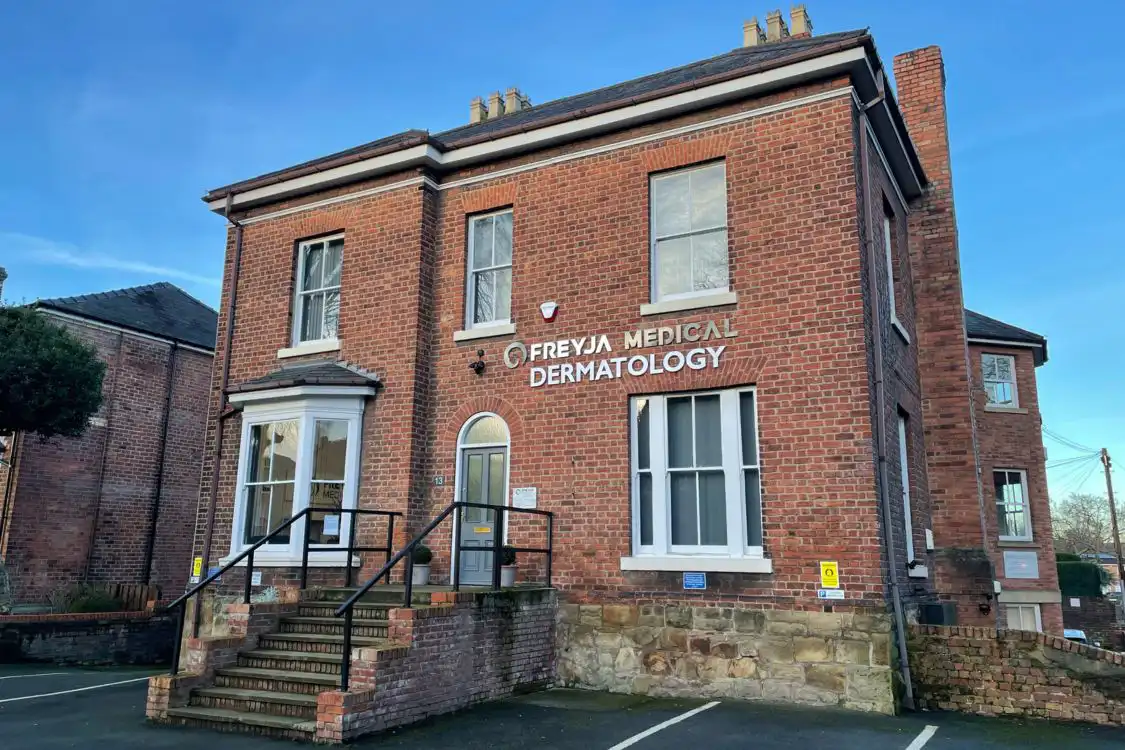
Wrexham
Accessibility Information
At Freyja Medical, we strive to accommodate all our clients. Please note, however, that our Wrexham clinic is located in a building with steps leading to the entrance and stairs to the clinic rooms, which may present difficulties for those with mobility impairments. For those in need of accessible facilities, we invite you to scroll down for details on our Shrewsbury clinic or Chester clinic (Inside Chester Wellness Centre), which may offer more suitable options for your needs.
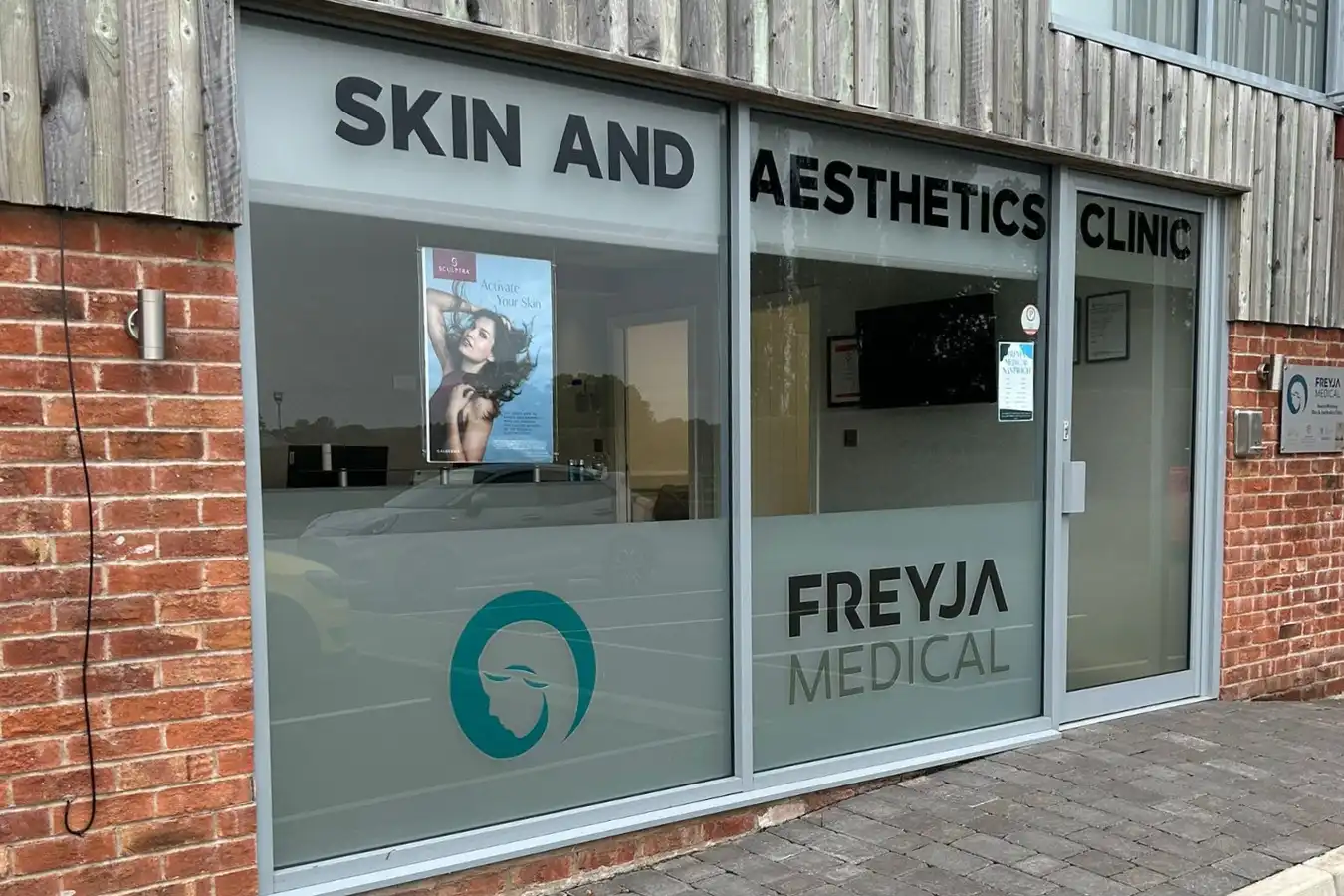
Nantwich
Accessibility Information
At Freyja Medical Nantwich, we are pleased to offer convenient disabled parking and ground-floor access to all our clinic rooms. Please be aware, however, that there is a step leading up to the pavement at the clinic entrance.
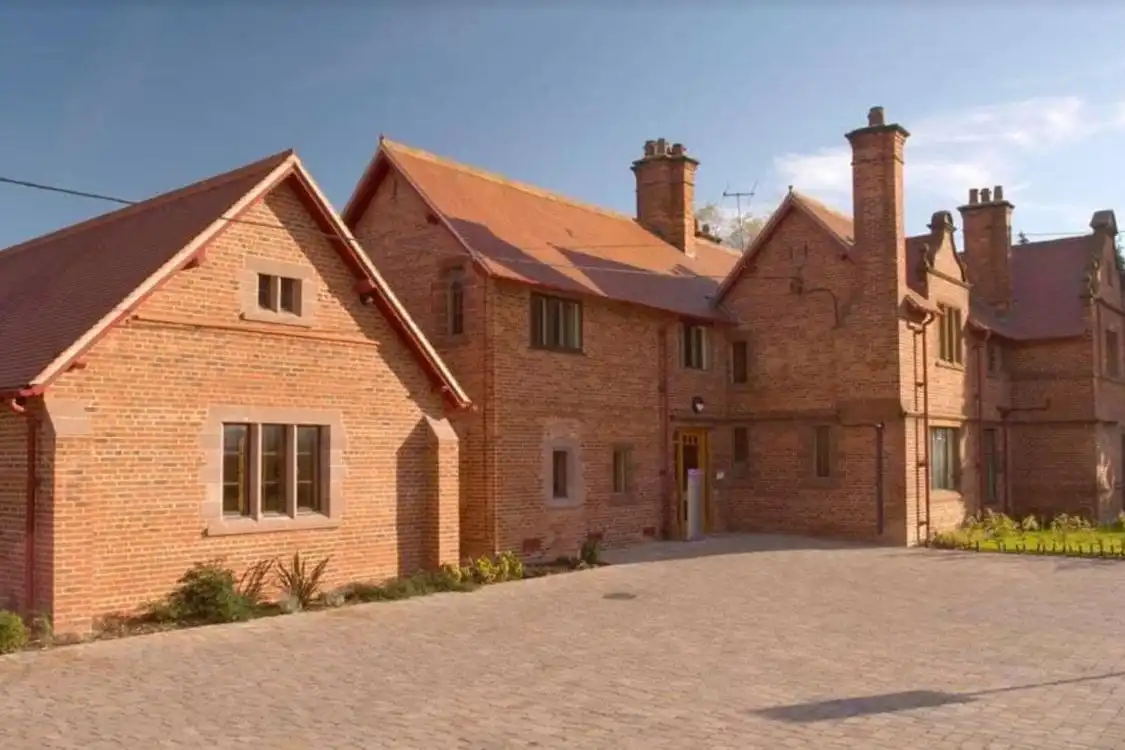
Chester (Inside Chester Wellness Centre)
Accessibility Information
Our Chester clinic is conveniently located inside Chester Wellness Centre, just off Wrexham Road. The centre offers ample free parking and full disabled access, ensuring a comfortable and accessible visit for all patients. When you arrive, simply check in at reception, and you’ll be directed to the Freyja Medical suite.

Chester (Upton)
Accessibility Information
At Freyja Medical, we strive to accommodate all our clients. Please note, however, that our Chester Upton clinic has stairs to the clinic rooms, which may present difficulties for those with mobility impairments. For those in need of accessible facilities, we invite you to scroll up for details on our Shrewsbury clinic or Chester clinic (Inside Chester Wellness Centre), which may offer more suitable options for your needs.
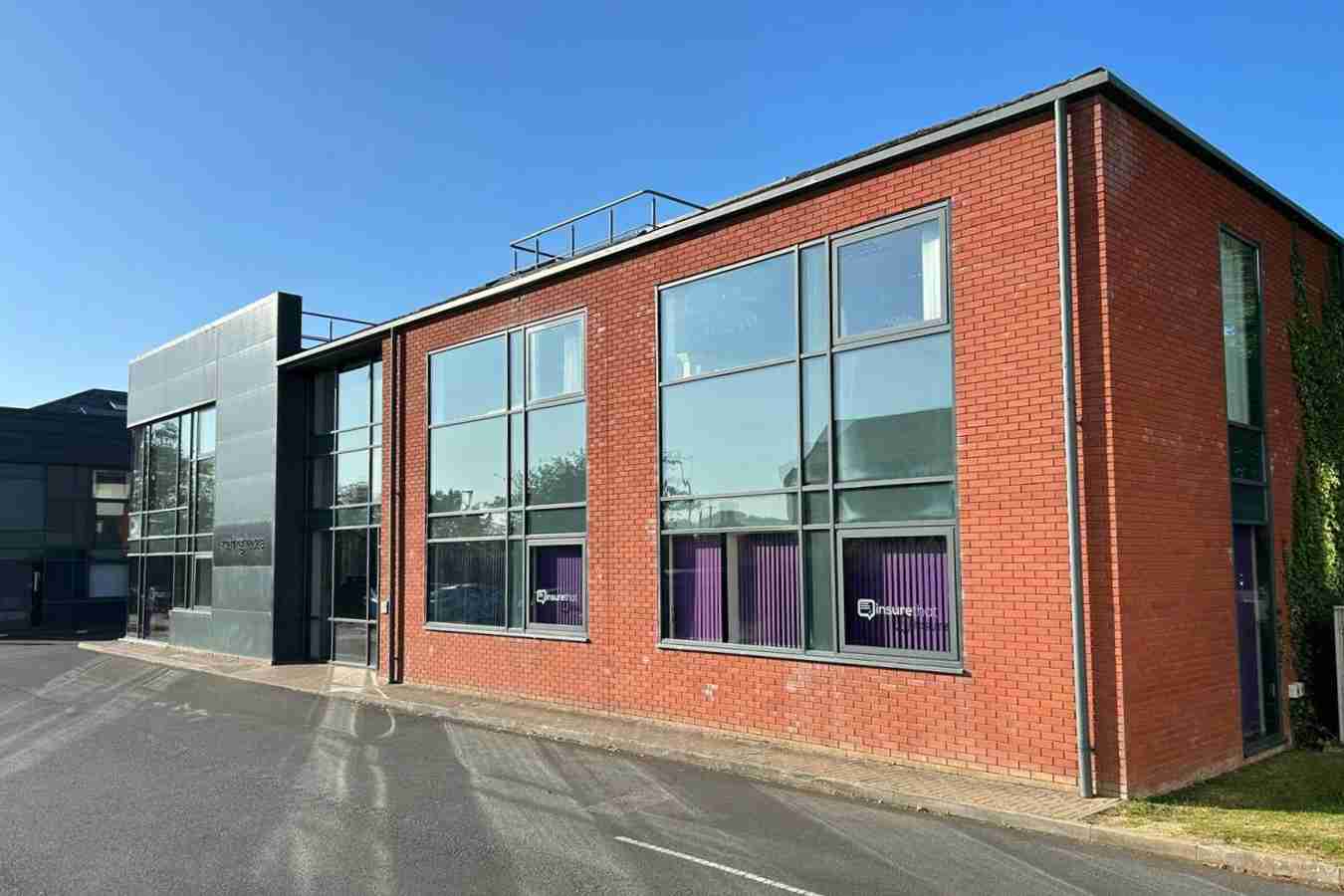
Shrewsbury
Accessibility Information
Our Shrewsbury clinic is conveniently located inside Sterling House, on Shrewsbury Business Park. The centre offers ample free parking and full disabled access, with a lift inside the building, ensuring a comfortable and accessible visit for all patients.
Meet the Experts Who Can Help With Solar Keratosis
At Freyja Medical, suspected solar keratoses are assessed by experienced dermatologists who regularly diagnose and manage sun-damaged skin and skin cancer.
An accurate diagnosis is particularly important because actinic keratoses can sometimes resemble other skin conditions, while changes within a lesion may require further investigation.

Dr James Dean – Locum Consultant Dermatologist
Dr James Dean is a locum consultant dermatologist and co-founder of Freyja Medical, with particular experience in skin cancer diagnosis and skin surgery. He assesses solar keratoses and other sun-damaged or suspicious skin lesions and can recommend further investigation or treatment where appropriate.
| Dr James Dean's Availability | ||
|---|---|---|
| Monday | Wrexham | 9.30am - 4.00pm |
| Tuesday | Wrexham / Chester Wellness Centre (please view our online diary for more info, click here) | 12.30pm - 4.00pm |
| Wednesday | Chester Upton | 9.30am - 3.00pm |
| Thursday | Nantwich | 9.30am - 4.00pm |

Dr Keli Thorsteinsson – Consultant Dermatologist
Dr Keli Thorsteinsson is a consultant dermatologist and co-founder of Freyja Medical with extensive experience in medical dermatology, skin cancer diagnosis and skin surgery. He provides assessment and management of solar keratoses alongside other changing or concerning skin lesions.
| Dr Keli Thorsteinsson's Availability | ||
|---|---|---|
| Tuesday | Wrexham | 12.30pm - 4.00pm |
| Wednesday | Shrewsbury | 9.30am - 4.00pm |
| 1st and 3rd Friday of the month | Wrexham | 9.30am - 12.30pm |

Dr Richard Jerrom – Consultant Dermatologist
Dr Richard Jerrom is a consultant dermatologist and accredited Mohs surgeon with specialist expertise in skin cancer diagnosis and surgery. He provides consultant-led assessment of solar keratoses and other potentially precancerous or cancerous skin lesions.
| Dr Richard Jerrom's Availability | ||
|---|---|---|
| Thursday | Wrexham | 9.30am - 4.00pm |
Are solar keratosis and actinic keratosis the same thing?
Yes. Solar keratosis and actinic keratosis are two names for the same condition.
Both terms describe areas of skin that have been damaged by cumulative exposure to ultraviolet radiation. You may therefore see the terms “solar keratosis”, “actinic keratosis” and their plurals “solar keratoses” and “actinic keratoses” used interchangeably.
What does solar keratosis look like?
Solar keratoses can vary considerably in appearance. They commonly develop as small areas of rough, dry or scaly skin and may initially be easier to feel than see.
They can be skin-coloured, pink, red or brown and may sometimes develop a thicker, crusted or wart-like surface. Some solar keratoses can also feel itchy or sore.
They most frequently develop on areas exposed to the sun over many years, including the face, ears, scalp, backs of the hands and forearms.
What causes solar keratosis?
Solar keratosis is caused by cumulative damage to the skin from ultraviolet (UV) radiation.
Rather than being caused by a single episode of sunburn, the damage generally builds over many years. This can result from regular sun exposure, outdoor work or hobbies, sunbathing and the use of sunbeds.
Solar keratoses are therefore more common as people get older and particularly affect areas of the body that have received significant sun exposure.
Is solar keratosis skin cancer?
Solar keratosis is not itself skin cancer. However, it involves abnormal sun-damaged skin cells and there is a small risk that an actinic keratosis can progress to squamous cell carcinoma (SCC).
For this reason, it is important to monitor your skin and seek medical assessment if a lesion changes, particularly if it becomes thicker, grows rapidly, becomes painful, bleeds, ulcerates or develops into a lump.
Can solar keratosis turn into skin cancer?
Most solar keratoses do not develop into skin cancer. However, a small proportion can progress to squamous cell carcinoma (SCC).
It is not always possible to predict which individual actinic keratosis will progress. A dermatologist can assess the lesion and look for clinical features that may warrant treatment or further investigation.
What is the difference between solar keratosis and seborrhoeic keratosis?
Despite their similar names, solar keratosis and seborrhoeic keratosis are different conditions.
A solar keratosis, or actinic keratosis, develops as a result of long-term UV damage and carries a small risk of progressing to squamous cell carcinoma.
A seborrhoeic keratosis is a common benign, non-cancerous skin growth that often develops with age. They frequently have a raised, waxy or “stuck-on” appearance and do not develop into skin cancer.
However, some skin lesions can look similar, so it is important to seek professional assessment if you are uncertain about a new or changing growth.
How is solar keratosis diagnosed?
Solar keratosis can often be diagnosed by examining the affected skin.
Your dermatologist will consider the appearance and texture of the lesion, its location, your history of sun exposure and any symptoms or changes you have noticed.
If the diagnosis is uncertain or the lesion has features that could indicate skin cancer, your dermatologist may recommend further investigation, which can include taking a sample of the skin for examination.
How is solar keratosis treated?
There are several possible treatments for solar keratosis, and the most appropriate approach depends on factors including the number, location and thickness of the lesions and the extent of surrounding sun damage.
Treatment options can include prescription creams or gels, cryotherapy to freeze individual lesions, curettage or surgical removal, and other specialist treatments where appropriate.
Your dermatologist will recommend a treatment plan based on the findings of your assessment.
Can solar keratosis come back after treatment?
A successfully treated individual solar keratosis may clear, but treatment does not remove the underlying history of sun damage from the surrounding skin.
This means new actinic keratoses can develop elsewhere, particularly on areas that have received significant UV exposure over many years.
Regularly checking your skin and protecting it from further UV exposure are therefore important even after treatment.
How can I reduce my risk of developing more solar keratoses?
Protecting your skin from further ultraviolet exposure can help reduce additional sun damage.
This includes using a broad-spectrum sunscreen with a high SPF, wearing protective clothing and a wide-brimmed hat, seeking shade when UV levels are high and avoiding sunbeds.
You should also regularly check sun-exposed areas of your skin for new or changing lesions.
When should I see a dermatologist about solar keratosis?
Consider having a skin lesion assessed if you are unsure what it is, if you have developed new rough or scaly patches, or if an existing solar keratosis changes.
Particular attention should be paid to a lesion that grows quickly, becomes thicker, painful or tender, bleeds, develops a lump or ulcerates, as these changes require medical assessment.
If you are uncertain whether a lesion is a solar keratosis or another type of skin lesion, a dermatology consultation can provide an appropriate diagnosis and management plan.
Is solar keratosis treatment in Wrexham available?
If you are concerned about solar keratosis in Wrexham, our dermatology-led clinic provides specialist assessment of sun-damaged, rough or changing areas of skin.
Solar keratoses and suspected actinic keratoses can be assessed at our Wrexham clinic by Dr Keli Thorsteinsson, Dr James Dean and Dr Richard Jerrom, all experienced dermatologists with expertise in the diagnosis and management of skin lesions and skin cancer. They can distinguish solar keratoses from other skin lesions and recommend appropriate treatment, monitoring or further investigation where clinically indicated.
Our Wrexham clinic is conveniently located on Grosvenor Road, close to Wrexham city centre, with free on-site parking. We regularly see patients from Wrexham and surrounding areas of North Wales, Cheshire and Shropshire.
For further information about our clinicians, location and accessing the clinic, visit our Dermatologist Wrexham page.
Is solar keratosis treatment in Nantwich available?
For solar keratosis treatment in Nantwich, Freyja Medical provides dermatologist-led assessment and management of actinic keratoses and other sun-damaged skin lesions.
At our Nantwich clinic, Dr James Dean, Locum Consultant Dermatologist, can examine suspected solar keratoses, confirm the diagnosis and distinguish them from other skin lesions. Where treatment is appropriate, he will discuss the available options with you based on the characteristics of the lesion and your individual skin.
Our Nantwich clinic is situated close to Nantwich town centre and is convenient for patients travelling from Crewe and surrounding areas of Cheshire. Free on-site parking is available.
You can find further information about the clinic, our dermatologists and directions on our Dermatologist Nantwich page.
Is solar keratosis treatment in Chester available?
If you are looking for solar keratosis treatment in Chester, Freyja Medical provides consultant dermatologist-led care for actinic keratoses and other sun-damaged or concerning skin lesions.
At our Chester clinics, Dr James Dean, Locum Consultant Dermatologist, can examine suspected solar keratoses, confirm the diagnosis and distinguish them from other skin lesions. Where appropriate, he can recommend treatment, monitoring or further investigation based on the individual lesion and your skin.
We provide dermatology consultations at two locations in Chester: Chester Wellness Centre on Wrexham Road and our Chester Upton clinic on Greenfield Lane. Both locations offer convenient access for patients from Chester and surrounding areas, including Broughton, Saltney, Ellesmere Port and the Wirral.
Chester Wellness Centre offers free parking and full disabled access, while our Chester Upton clinic has stairs leading to the clinic rooms. Patients requiring step-free access may therefore find Chester Wellness Centre more suitable.
For further information about both locations, our clinicians and directions, visit our Dermatologist Chester page.
Is solar keratosis treatment in Shrewsbury available?
If you are concerned about solar keratosis in Shrewsbury, our clinic provides consultant dermatologist-led assessment of actinic keratoses and other sun-damaged or changing skin lesions.
At our Shrewsbury clinic, Dr Keli Thorsteinsson, Consultant Dermatologist, can examine suspected solar keratoses, confirm the diagnosis and distinguish them from other skin lesions. Where appropriate, he can recommend treatment, monitoring or further investigation based on the individual lesion and your skin.
Our Shrewsbury clinic is conveniently located for patients travelling from across Shropshire, including Telford, Oswestry and Bridgnorth, with free on-site parking and lift access.
For further information about our Shrewsbury clinic, directions and dermatology services, visit our Dermatologist Shrewsbury page.
Say Goodbye to Solar Keratosis
Schedule your dermatology consultation for just £225
No Results Found
The page you requested could not be found. Try refining your search, or use the navigation above to locate the post.