



Melanoma is the most serious type of skin cancer, but when it is diagnosed early, treatment is often highly successful. Understanding melanoma cancer stage 1, recognising the signs of melanoma skin cancer early stage, and knowing what to look for in melanoma early stages images can help you identify suspicious changes sooner and seek prompt medical advice before the cancer has spread.
Early melanoma is not always obvious. It may appear as a new mole or develop from an existing mole that begins to change in size, shape or colour. Some melanomas are dark brown or black, while others may be pink, red or skin coloured, making them more difficult to recognise.
Regular skin checks and knowing what changes to look for can help identify melanoma at its earliest stage. In this guide, we’ll explain the warning signs, how melanoma is diagnosed, and the treatment options available.
Jump To Section
What Is Melanoma Skin Cancer Early Stage?
Melanoma develops in melanocytes, the cells responsible for producing melanin, the pigment that gives skin its colour. When these cells become cancerous, they can grow uncontrollably and form a melanoma.
The term melanoma skin cancer early stage refers to melanoma that remains confined to the skin and has not spread to nearby lymph nodes or other parts of the body. This generally includes:
- Stage 0 (melanoma in situ): Cancer cells are confined to the outer layer of the skin.
- Melanoma cancer stage 1: The melanoma has grown into the deeper layers of the skin but remains localised.
When melanoma cancer stage 1 is diagnosed early, treatment is usually much simpler than for advanced disease and often involves surgery alone.

What Are the Early Signs of Melanoma?
One of the earliest signs of melanoma is a mole or skin lesion that changes over time. Unlike many harmless moles, melanoma often evolves in appearance rather than remaining stable.
Common warning signs include:
- A new mole appearing in adulthood
- An existing mole increasing in size
- Changes in shape or outline
- Uneven or multiple colours within a mole
- Irregular or blurred borders
- A mole becoming raised or developing an uneven surface
- Itching, tenderness or discomfort
- Bleeding or crusting without injury
- A sore that does not heal

It’s important to remember that early melanoma is often painless. Waiting until a mole becomes painful can delay diagnosis, so any noticeable change should be assessed by a healthcare professional.
The ABCDE Rule
The ABCDE rule is a useful way to identify moles that may require further assessment. Comparing your skin with trusted melanoma early stages images can also help you recognise suspicious changes, although any concerning mole should always be assessed by a dermatologist.
A – Asymmetry
Most harmless moles are symmetrical. If one half of a mole looks different from the other, it could be a warning sign.
B – Border
Benign moles usually have smooth, clearly defined edges. Melanoma may have irregular, jagged or poorly defined borders.
C – Colour
Healthy moles are often a single, even colour. Melanoma may contain several shades within the same lesion, including:
- Brown
- Black
- Grey
- Blue
- Red
- Pink
- White
A mole that develops multiple colours or changes colour over time should be assessed.
D – Diameter
Many melanomas are larger than 6 mm, roughly the size of a pencil eraser. However, early melanoma can be smaller, so size alone should not be used to judge whether a mole is concerning.
E – Evolving
This is often considered the most important feature.
A mole that changes in size, shape, colour, texture or height, or develops symptoms such as itching or bleeding, should always be examined.

You may also hear about the “ugly duckling” sign. This refers to a mole that looks noticeably different from all your other moles.
Looking at reliable melanoma early stages images alongside carrying out regular skin checks may help you recognise when a mole appears unusual.
Even if it doesn’t meet every ABCDE criterion, it is worth having it checked.
Where Can Early Melanoma Develop?
Although melanoma is strongly linked to ultraviolet (UV) exposure, it can develop almost anywhere on the body.
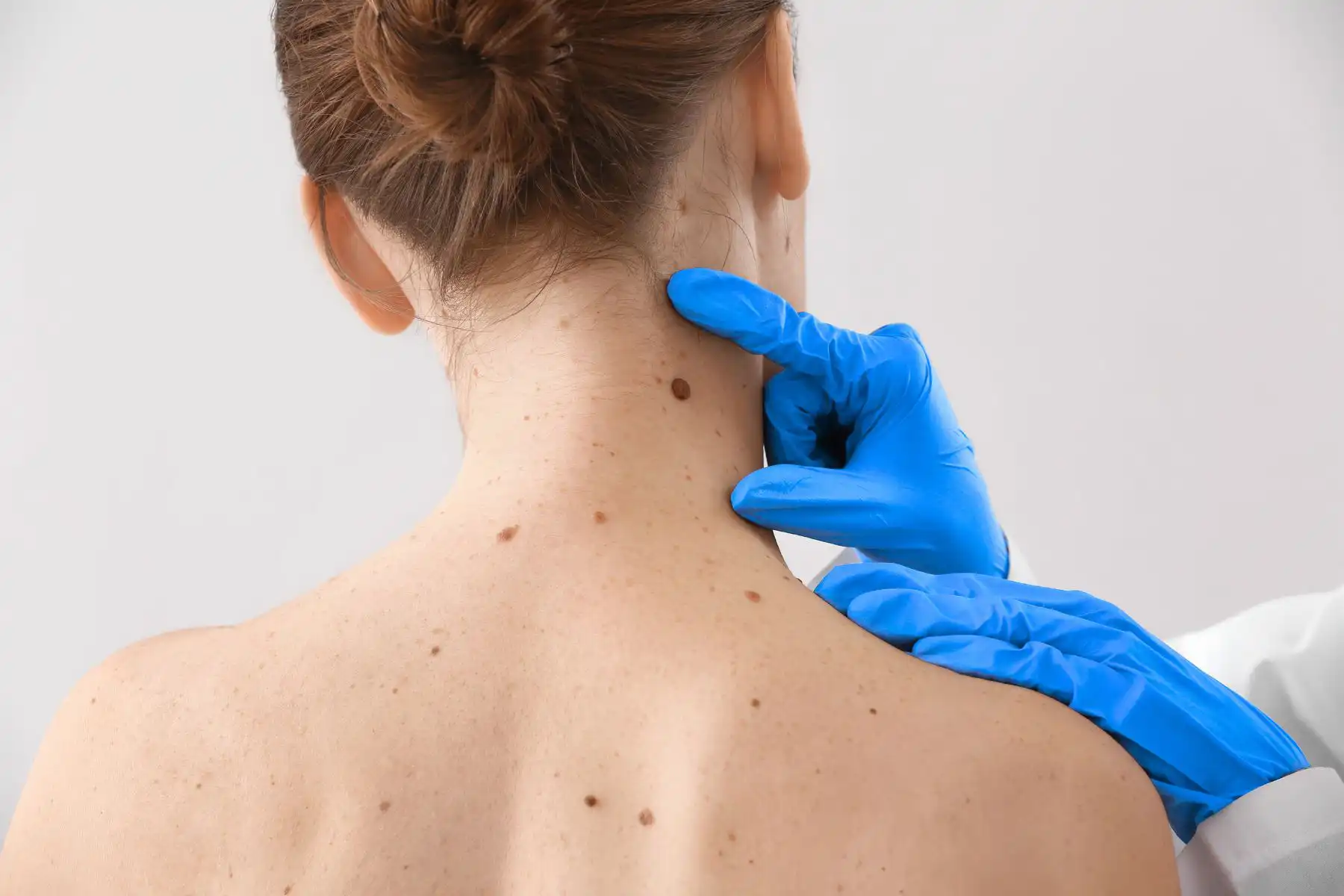
Common sites include the:
- Back
- Legs
- Chest
- Arms
- Face
- Neck
Less commonly, melanoma can also develop:
- Under the nails
- On the palms of the hands
- On the soles of the feet
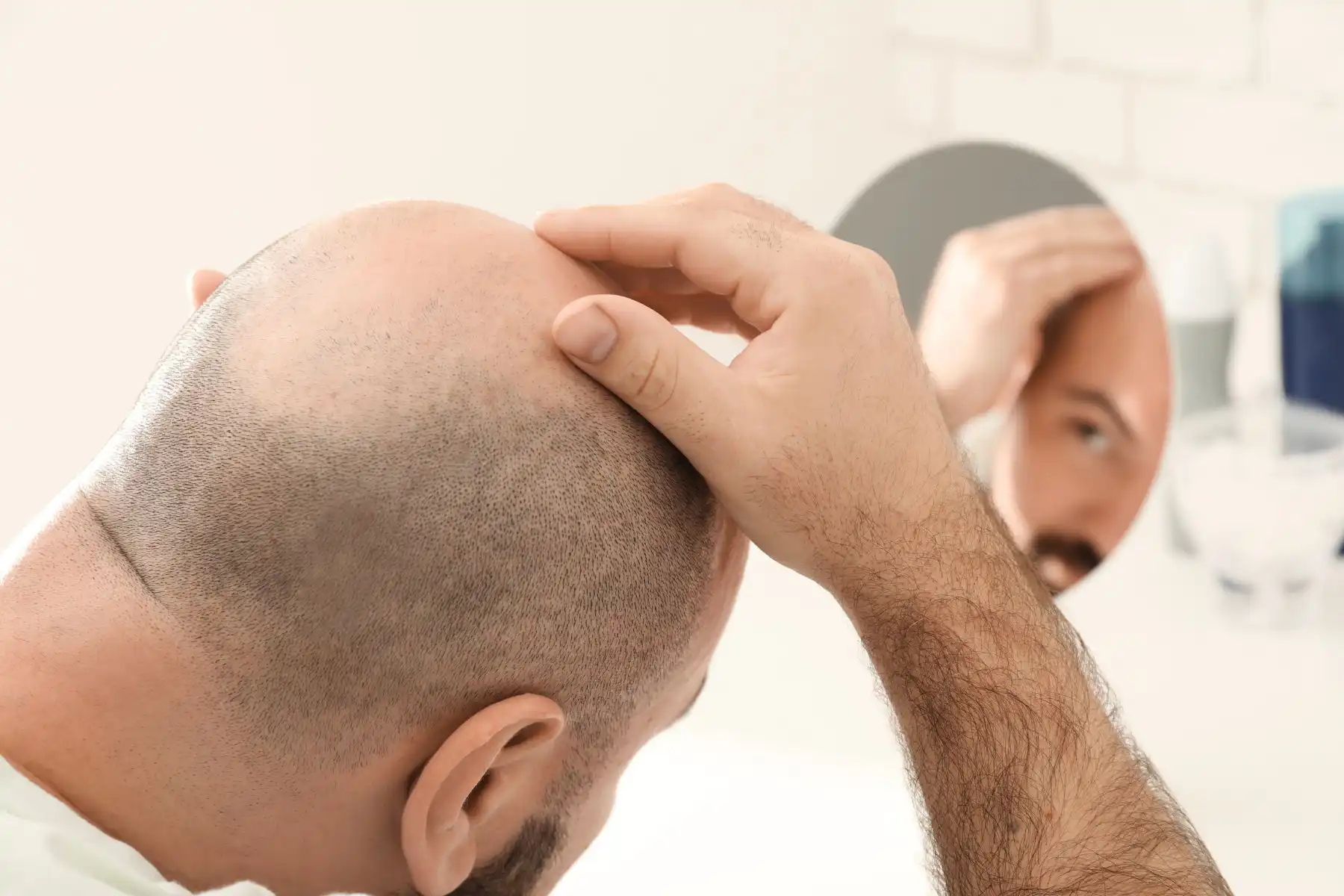
- On the scalp
- Inside the mouth
- In the eye

Because melanoma can appear in areas you rarely see, it’s important to examine your entire body during regular skin checks or ask someone to help inspect difficult-to-see areas such as your back and scalp. Looking at melanoma early stages images from trusted medical sources may also help you recognise suspicious changes in different parts of the body.
Who Is Most at Risk?
Melanoma can affect anyone, but certain factors increase the risk. These include:
- Fair skin that burns easily
- A history of frequent sunburn or excessive UV exposure
- Having a large number of moles or atypical moles
- A personal or family history of melanoma
- A weakened immune system

Having one or more risk factors does not mean you will develop melanoma, but it does mean you should be particularly vigilant about checking your skin and protecting it from excessive sun exposure.
Why Early Diagnosis Matters
The earlier melanoma is diagnosed, the better the outcome is likely to be. In its early stages, the cancer is usually confined to the skin and can often be removed completely with a relatively straightforward surgical procedure.
If melanoma is left untreated, it can grow deeper into the skin and may spread to nearby lymph nodes or other parts of the body, making treatment more complex.
For this reason, it is always advisable to seek medical advice promptly if you notice a new or changing mole. Having a suspicious lesion assessed early can provide reassurance if it is harmless or allow treatment before the melanoma progresses.

How Is Melanoma Skin Cancer Early Stage Diagnosed?
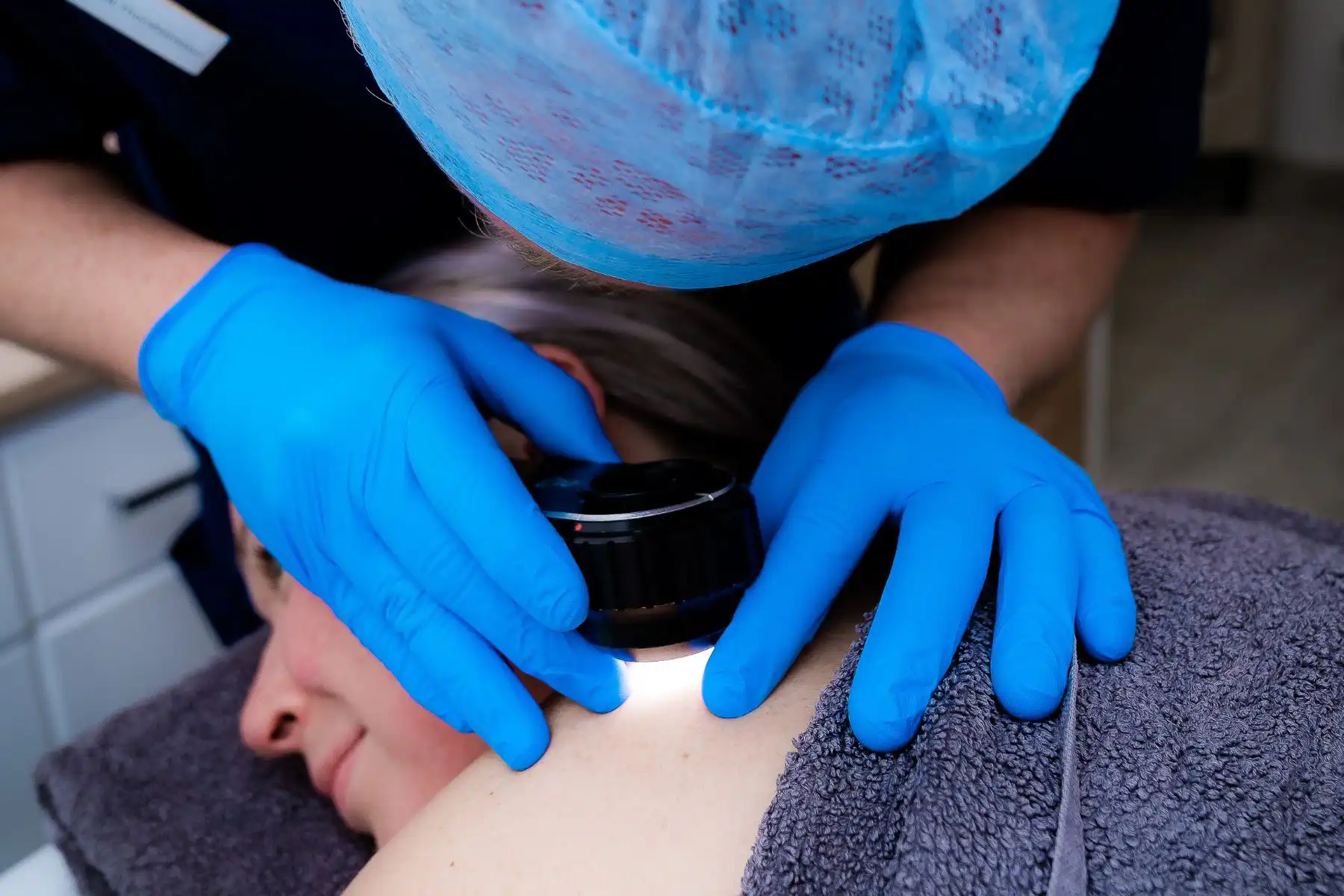
If you notice a new or changing mole, it is important to have it assessed by a healthcare professional as soon as possible. A dermatologist will ask about any recent changes and examine your skin, paying close attention to the suspicious lesion.
In many cases, a dermatoscope is used. This handheld device magnifies the skin and allows the dermatologist to see structures beneath the surface that are not visible to the naked eye. Dermoscopy helps distinguish between harmless moles and lesions that may require further investigation.
If melanoma is suspected, the lesion is usually removed under local anaesthetic and sent to a laboratory for analysis. This is called an excision biopsy and is the only way to confirm whether melanoma is present.
The biopsy also provides important information, including the thickness of the melanoma. This allows specialists to determine whether it is melanoma cancer stage 1 or a more advanced stage, helping to guide treatment. These findings help determine the stage of the melanoma and whether any further treatment is needed.
Treatment for Early Stage Melanoma
For most people diagnosed with melanoma skin cancer early stage, surgery is the only treatment required.
After the initial biopsy, a second procedure known as a wide local excision is often recommended. During this operation, a small margin of healthy skin surrounding the melanoma is removed to reduce the risk of any cancer cells remaining.
If the melanoma is thicker or has certain high-risk features, additional investigations may sometimes be advised. Your dermatologist will explain whether these are appropriate based on your individual diagnosis.
When melanoma is detected before it has spread, treatment is usually straightforward and highly effective.

What Is the Outlook?
The outlook for early stage melanoma is generally excellent. When diagnosed and treated promptly, many people are cured with surgery alone and go on to live healthy lives.
However, having had one melanoma increases your risk of developing another in the future. For this reason, your specialist may recommend regular follow-up appointments and ongoing skin checks.
Becoming familiar with your own skin is one of the best ways to notice any future changes quickly.
Can Melanoma Be Prevented?
Although it is not possible to prevent every case of melanoma, there are several steps you can take to reduce your risk.
Protect Your Skin
Limiting exposure to ultraviolet (UV) radiation is one of the most effective ways to reduce your risk of melanoma.
You can help protect your skin by:
- Applying a broad-spectrum sunscreen with an SPF of at least 30.
- Wearing protective clothing, a wide-brimmed hat and sunglasses.
- Seeking shade during the hottest part of the day.
- Avoiding sunbeds.

Check Your Skin Regularly
Examining your skin once a month and familiarising yourself with reputable melanoma early stages images can help you recognise suspicious changes sooner.
Remember to check areas that are easily overlooked, including:
- Your back
- Scalp
- Soles of your feet
- Between your toes
- Under your nails
If you have lots of moles or are unable to see certain areas clearly, ask a partner or family member to help.
When Should You Seek Medical Advice?
Arrange an appointment if you notice:
- A new mole appearing in adulthood
- A mole changing in size, shape or colour
- A lesion that looks different from your other moles
- Bleeding, crusting or persistent itching
- A sore that does not heal
Most changing moles are not melanoma, but it is always safer to have them assessed promptly. Early diagnosis offers the best chance of successful treatment if melanoma is present.
Frequently Asked Questions
Can melanoma cancer stage 1 be cured?
Yes. When melanoma is diagnosed before it has spread beyond the skin, surgery is often curative, and many people require no further treatment.
Does early melanoma always look black?
No. While many melanomas are brown or black, some are pink, red, grey or even skin coloured. This is why any new or changing lesion should be assessed, regardless of its colour.
How often should I check my skin?
Most dermatologists recommend performing a thorough skin check around once a month. If you have previously had melanoma or are at higher risk, your specialist may advise more frequent professional skin examinations.
How to Book a Consultation
Recognising the signs of melanoma skin cancer early stage can make a significant difference to treatment and outcomes. While melanoma is the most serious form of skin cancer, it is also one of the most treatable when diagnosed before it has spread.
Checking your skin regularly, understanding the warning signs and referring to reliable melanoma early stages images can help you identify suspicious changes before they become more advanced.
At Freyja Medical, our consultant dermatologists specialise in the diagnosis and treatment of skin cancer. If you are concerned about a mole or skin lesion, we offer expert assessments to provide an accurate diagnosis and, where necessary, prompt treatment.